In the vast landscape of construction projects, there are numerous components that play crucial roles, often going unnoticed but significantly impacting the overall success and durability of the structure. One such unsung hero is the washer. As a washer supplier deeply involved in the construction industry, I’ve witnessed firsthand the indispensable role that washers play in various construction scenarios. In this blog, I’ll delve into the multifaceted functions of washers in construction projects and highlight why they are a vital part of any building endeavor. Washers
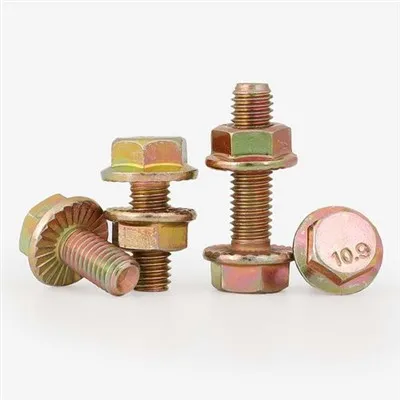
Distribution of Load
One of the primary functions of a washer in a construction project is to distribute the load evenly. When a bolt or a screw is tightened, it exerts a force on the surface it is in contact with. Without a washer, this force can be concentrated in a small area, leading to damage such as indentation, cracking, or even structural failure. A washer spreads the load over a larger area, reducing the pressure on the underlying material. This is especially important when working with soft or brittle materials like wood, plastic, or thin metal sheets.
For example, in a wooden frame structure, using washers under the bolts helps prevent the wood from being crushed or split. The washer acts as a buffer, ensuring that the force from the tightened bolt is dispersed evenly across the surface of the wood. Similarly, in a metal – to – metal connection, a washer can prevent the metal from deforming under high stress. This load – distribution function not only protects the materials but also enhances the stability and longevity of the entire structure.
Prevention of Loosening
Vibration is a common challenge in construction projects, whether it’s due to machinery operation, traffic, or natural forces such as wind and earthquakes. Over time, vibration can cause bolts and nuts to loosen, which can lead to structural instability and safety hazards. Washers play a key role in preventing this loosening.
Spring washers, in particular, are designed to maintain a constant tension between the bolt and the nut. They have a spring – like action that applies a continuous force, counteracting the loosening effect of vibration. Lock washers, on the other hand, have teeth or ridges that bite into the mating surfaces, preventing relative movement between the bolt and the nut. These types of washers are commonly used in applications where vibration is a significant concern, such as in bridge construction, industrial machinery installations, and high – rise buildings.
Sealing and Waterproofing
In many construction projects, it’s essential to prevent water, air, or other fluids from seeping through joints. Washers can act as seals to achieve this. Rubber or neoprene washers are often used in plumbing, roofing, and window installations to create a watertight or airtight seal.
In a plumbing system, for instance, rubber washers are placed between pipe fittings to prevent leaks. The flexibility of the rubber allows it to conform to the irregularities of the mating surfaces, creating a tight seal. In roofing applications, washers are used with screws to seal the holes and prevent water from entering the building. This sealing function is crucial for maintaining the integrity of the structure and preventing water damage, which can lead to mold growth, rot, and other costly problems.
Electrical Insulation
In some construction projects, electrical insulation is a critical requirement. Washers made of insulating materials such as plastic or ceramic can be used to isolate electrical components and prevent short – circuits.
In electrical panel installations, for example, plastic washers are used to separate conductive parts from the metal enclosure. This helps prevent electrical current from flowing to unintended areas, reducing the risk of electrical shock and fire. Additionally, in outdoor electrical installations, insulating washers can protect against moisture and corrosion, ensuring the long – term reliability of the electrical system.
Corrosion Protection
Corrosion is a major concern in construction, especially in environments where the structure is exposed to moisture, chemicals, or saltwater. Washers can provide an additional layer of protection against corrosion.
Stainless steel washers are a popular choice in corrosive environments because they are highly resistant to rust and oxidation. They can be used in marine construction, such as in docks and offshore platforms, where the structure is constantly exposed to saltwater. Galvanized washers are also commonly used, as the zinc coating provides a sacrificial layer that corrodes before the underlying metal. This helps extend the lifespan of the bolts and nuts, ensuring the structural integrity of the construction project.
Alignment and Spacing
Washers can also be used for alignment and spacing purposes in construction. In some cases, they are used to ensure that components are properly aligned and spaced apart.
For example, in a steel frame construction, washers can be used to adjust the spacing between beams and columns. By using washers of different thicknesses, the installer can fine – tune the alignment and ensure that the structure is plumb and level. This is essential for the overall stability and functionality of the building.
Cost – effectiveness
From a cost – perspective, washers are a relatively inexpensive component that can have a significant impact on the overall cost of a construction project. By preventing damage to materials, reducing the need for maintenance and repairs, and enhancing the longevity of the structure, washers can save money in the long run.
For instance, using a washer to prevent a bolt from loosening can avoid the need for costly re – tightening or replacement of the bolt. Similarly, using a washer to protect against corrosion can extend the lifespan of the structure, reducing the frequency of replacement and associated costs.
Quality and Standards
As a washer supplier, I understand the importance of providing high – quality washers that meet industry standards. In construction, the quality of the components can have a direct impact on the safety and performance of the structure.
We ensure that our washers are manufactured using high – grade materials and undergo rigorous quality control checks. Our products comply with relevant national and international standards, such as ASTM (American Society for Testing and Materials) and ISO (International Organization for Standardization). This gives our customers the confidence that they are using reliable and safe washers in their construction projects.
Conclusion
In conclusion, washers play a diverse and essential role in construction projects. From load distribution and prevention of loosening to sealing, insulation, corrosion protection, alignment, and cost – effectiveness, they are a key component that contributes to the overall success and durability of the structure.
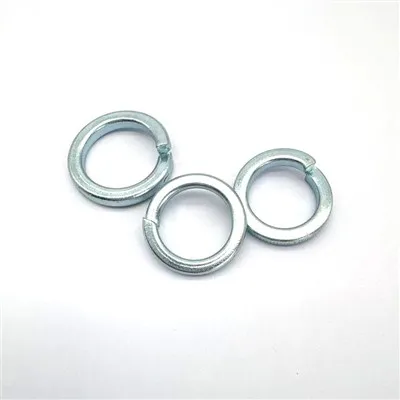
As a washer supplier, I am committed to providing high – quality washers that meet the specific needs of construction projects. Whether you are working on a small residential building or a large commercial complex, our range of washers can help you achieve a safe, reliable, and long – lasting structure.
Carbon Rods If you are involved in a construction project and are looking for a reliable washer supplier, I invite you to contact us to discuss your requirements. Our team of experts is ready to assist you in selecting the right washers for your project.
References
- ASTM International. (Year). ASTM standards related to washers.
- ISO. (Year). International standards for washers.
- Construction industry textbooks on structural components and fasteners.
Jiaxing Jinling Hardware Technolgy Joint Stock Co., Ltd.
As one of the most experienced washers manufacturers and suppliers in China, we also support customized service. Please feel free to buy bulk high-grade washers made in China here from our factory. For quotation and price list, contact us now.
Address: No.32, Shenjiadai, Xuyouche Village, Qinshan Subdistrict, Haiyan County, Zhejiang Province, China
E-mail: jlzxl@jinlingfstn.com
WebSite: https://www.china-nut-factory.com/
