As a supplier of Transformer Radiators, I’ve witnessed firsthand the critical role these components play in the efficient operation of transformers. The cooling efficiency of a transformer radiator is not just a technical metric; it’s the linchpin that ensures the long – term reliability and performance of transformers in various applications, from power grids to industrial facilities. In this blog post, I’ll share some insights on how to increase the cooling efficiency of a Transformer Radiator. Transformer Radiator

Understanding the Basics of Transformer Radiator Cooling
Before delving into the methods of enhancing cooling efficiency, it’s essential to understand the fundamental principles of how a transformer radiator works. A transformer generates heat during its operation due to electrical losses. The radiator’s primary function is to transfer this heat from the transformer’s oil to the surrounding air. This heat transfer occurs through a combination of conduction, convection, and radiation.
The radiator consists of a series of fins or tubes that increase the surface area available for heat transfer. The hot transformer oil circulates through these fins or tubes, and as air passes over them, heat is transferred from the oil to the air. The efficiency of this process depends on several factors, including the design of the radiator, the properties of the materials used, and the operating conditions.
Optimizing Radiator Design
One of the most effective ways to increase cooling efficiency is to optimize the radiator’s design. This can be achieved through several means.
Fin Design and Geometry
The fins on a radiator are crucial for increasing the surface area available for heat transfer. The shape, size, and spacing of the fins all play a significant role in determining the radiator’s cooling performance. For example, using thinner fins can increase the surface area per unit volume, but it may also reduce the structure’s mechanical strength. Therefore, finding the right balance is essential.
We’ve conducted extensive research on fin designs and discovered that using interrupted fins, such as serrated or perforated fins, can enhance heat transfer. These interrupted fins disrupt the boundary layer of air flowing over the fins, increasing the convective heat transfer coefficient. Additionally, optimizing the fin pitch can improve air flow between the fins, further enhancing cooling efficiency.
Tube Configuration
The configuration of the tubes in a radiator also affects cooling efficiency. Using a larger number of smaller – diameter tubes can increase the heat transfer area compared to a smaller number of larger – diameter tubes. However, this may also result in higher pressure drops, which can affect the oil flow rate. It’s important to design the tube configuration to balance heat transfer efficiency and pressure drop.
We’ve developed innovative tube configurations that use a combination of different tube diameters and layouts to achieve optimal cooling performance. These designs not only increase the heat transfer area but also ensure uniform oil flow distribution throughout the radiator, reducing hot spots and improving overall cooling efficiency.
Improving Material Properties
The choice of materials used in the radiator construction can significantly impact its cooling efficiency.
High – Thermal – Conductivity Materials
Using materials with high thermal conductivity, such as aluminum or copper, can improve heat transfer from the oil to the fins or tubes. Aluminum is a popular choice due to its relatively low cost, light weight, and good thermal conductivity. Copper, on the other hand, has higher thermal conductivity but is more expensive.
We often select the appropriate material based on the specific requirements of the application. For applications where weight is a concern, such as in mobile transformers, aluminum radiators are a suitable choice. For high – performance transformers where maximum cooling efficiency is required, copper – based radiators may be more appropriate.
Surface Treatments
Applying surface treatments to the radiator can also enhance its cooling efficiency. For example, coating the fins or tubes with a high – emissivity material can increase the radiative heat transfer. Additionally, surface treatments can improve the wettability of the surface, which can enhance convective heat transfer.
We offer radiators with various surface treatments, including anodizing for aluminum radiators and special coatings for copper radiators. These treatments not only improve cooling efficiency but also provide corrosion resistance, extending the lifespan of the radiator.
Enhancing Air Flow
Proper air flow is essential for efficient cooling of a transformer radiator. There are several ways to enhance air flow.
Fan Selection and Placement
Using fans to force air over the radiator can significantly increase cooling efficiency. The choice of fan depends on several factors, including the size of the radiator, the required air flow rate, and the noise level. High – efficiency fans with low power consumption are preferred.
The placement of the fans is also crucial. Fans should be positioned to ensure uniform air flow over the entire surface of the radiator. We often conduct computational fluid dynamics (CFD) simulations to optimize the fan placement and ensure maximum air flow and heat transfer.
Radiator Placement
The location of the radiator within the transformer system can also affect air flow. The radiator should be placed in an area where there is sufficient space for air intake and exhaust. Avoiding obstructions around the radiator and ensuring proper ventilation can improve air flow and cooling efficiency.
Maintenance and Monitoring
Regular maintenance and monitoring are essential for maintaining the cooling efficiency of a Transformer Radiator.
Cleaning
Over time, dust, dirt, and debris can accumulate on the radiator’s fins and tubes, reducing the surface area available for heat transfer and impeding air flow. Regular cleaning of the radiator can remove these contaminants and restore its cooling efficiency.
We recommend cleaning the radiator at least once a year, or more frequently in dirty or dusty environments. Simple cleaning methods, such as using compressed air or a soft brush, can effectively remove accumulated debris.
Monitoring Oil Temperature
Monitoring the transformer oil temperature is an effective way to assess the radiator’s cooling performance. A sudden increase in oil temperature may indicate a problem with the radiator, such as a blockage or a malfunctioning fan. By monitoring the oil temperature continuously, problems can be detected early, and corrective actions can be taken promptly.
We provide radiator systems with built – in temperature sensors and monitoring devices. These devices allow operators to monitor the oil temperature in real – time and receive alerts if the temperature exceeds a certain threshold.
Conclusion
Increasing the cooling efficiency of a Transformer Radiator requires a comprehensive approach that includes optimizing the radiator design, improving material properties, enhancing air flow, and implementing regular maintenance and monitoring. As a Transformer Radiator supplier, we are committed to providing high – quality products and innovative solutions to meet the diverse needs of our customers.
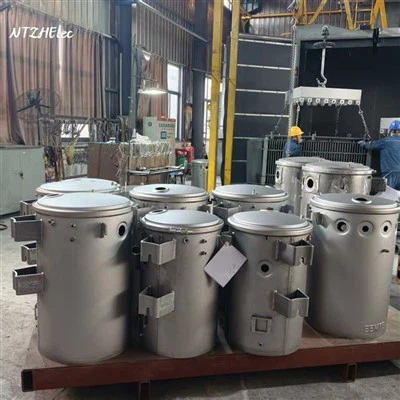
Power Transformer Oil Tank If you are looking for a reliable Transformer Radiator supplier or want to discuss how to improve the cooling efficiency of your transformer system, please feel free to contact us. We have a team of experienced engineers who can provide you with professional advice and customized solutions.
References
- "Heat Transfer Principles and Applications" by Mark F. McDonough and John H. Harbaugh
- "Thermal Design Handbook for Electronic Assemblies" by R. A. Chapman
- Industry standards and guidelines related to transformer radiators, such as IEEE and IEC standards.
Nantong Zhihe Electric Co., Ltd.
As one of the most professional transformer radiator manufacturers and suppliers in China, we’re featured by quality products and low price. Please rest assured to wholesale cheap transformer radiator made in China here from our factory. Customized orders are welcome.
Address: NO.202 Jianghai West Road, Hai’an Town, Hai’an City, Jiangsu Province
E-mail: colt.ntzh@gmail.com
WebSite: https://www.ntzhelectric.com/
