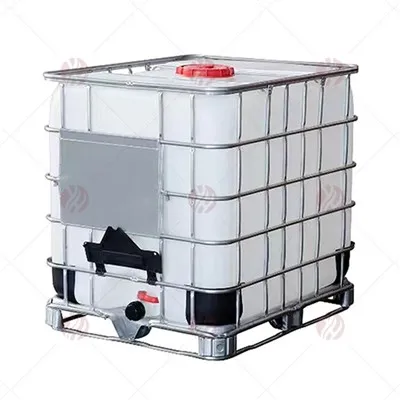
If you’ve landed here, chances are you’re in the market for an IBC steel frame—whether you’re a small manufacturer needing bulk storage for raw chemical intermediates, a logistics firm moving hazardous materials cross-country, or a farm operation storing fertilizer blends. I’ve been in this space for nearly a decade, running a supply focused entirely on durable, code-compliant IBC frames, and I get it: it’s not just about picking any metal frame that holds a tote. You need something that fits your specific use case, won’t fail mid-shipment, and doesn’t leave you overpaying for features you’ll never use. IBC Steel Frame
Let’s cut through the noise: I’ve seen too many buyers waste time sifting through random online marketplaces, overpaying for new frames when used ones fall apart, or getting stuck with frames that don’t meet DOT or UN standards for their cargo. Today, I’m walking you through exactly where to buy IBC steel frames, what to watch for (trust me, there are pitfalls), and how to source frames that work for your business, no matter your size or needs.
First, let’s talk about what an IBC steel frame actually is, because if you’re new to this, it’s easy to confuse it with just a steel cage. An IBC (Intermediate Bulk Container) steel frame is the protective, structural skeleton that holds a 275 or 330-gallon plastic tote (the common IBC tank). Its job is to handle the weight of the full tote (over 2,000 pounds when filled), protect the tank from impact during loading and unloading, and comply with international shipping regulations for dangerous goods. That means the frame has to be welded to specific tolerances, have a secure top lift plate for forklifts, and pass pressure tests if you’re shipping hazardous liquids.
Not all frames are equal, though. Some are made from thin, mild steel that rusts after a few uses, others skip the reinforcing ribs that prevent bending when stacked, and a lot of discount frames don’t have the required markings for UN or DOT compliance—meaning you can’t use them to ship most regulated materials, even if they look sturdy. That’s why sourcing from a reliable supplier is non-negotiable, and not just grabbing the cheapest option on a global marketplace.
Now, let’s break down the places you can buy IBC steel frames, starting with the most reliable (in my experience) and moving to the ones that work if you’re on a tight budget, with the pros and cons of each.
-
Specialized IBC Equipment Suppliers: This is where I recommend most buyers start, especially if you need new or lightly used frames that are compliant. As someone who works in this space, I know that specialized suppliers don’t just sell frames—they build them to meet industry standards, stock sizes, and often offer customization. For example, if you need frames for food-grade chemical transport, we line the interior of the frames with a rust-resistant powder coat that doesn’t leach into cargo, or if you need frames for extra-large 350-gallon totes, we reinforce the base with thicker steel. The best part? Specialized suppliers will provide documentation: UN markings, test certificates, and compliance paperwork that you’ll need for shipping or storage audits. One of the biggest mistakes I see buyers make here is assuming all specialized suppliers are the same—visit their facility, ask to see a sample frame, and check if their team has experience with your specific cargo. For instance, a supplier that works with agricultural chemicals won’t necessarily know the stricter standards for pharmaceutical-grade IBCs. We’ve built our business on this specific niche, so we always ask customers to share their cargo type and shipping needs before recommending a frame, because a frame for non-hazardous water is very different from one for corrosive acids.
-
Industrial Surplus Yards and Online Auction Platforms: If you’re working with a small budget, industrial surplus can be a goldmine for used IBC steel frames. Platforms like Liquidation.com or local surplus yards often have frames from companies that downsized, upgraded their IBC fleet, or closed operations. The catch here is that you have to inspect each frame thoroughly. I’ve seen frames that look perfect from a distance, but have hidden rust on the interior of the base (where you can’t see it until you fill the tote and it collapses), bent lift plates from rough forklift handling, or missing reinforcing ribs. If you go this route, bring a magnet to test for thin steel (stronger magnets mean thicker, better steel), check all welds for cracks, and ask if the frames have any remaining compliance markings. Most surplus frames are “as-is,” so there’s no warranty, and many won’t come with test paperwork—so only use these for non-regulated, non-hazardous cargo like rainwater or unprocessed grain, not for shipping dangerous goods.
-
IBC Tote Manufacturers and Distributors: Many companies that sell full IBC totes (tank + frame + lid) also sell replacement frames, either new or as spares. This is a good option if you already use their totes, because the frames are guaranteed to fit their tanks perfectly. The downside is that these frames are often priced higher than frames from specialized suppliers, because you’re paying for the tote brand name too. If you need 100+ frames, you might be able to negotiate a bulk discount, but don’t assume these frames are better than ones from a supplier that only makes frames—some tote manufacturers outsource their frame production to third-party mills, so the quality is the same. We actually work with a few tote manufacturers to supply bulk frames, so I can tell you first-hand that their in-house frame lines are sometimes lower quality than our own.
-
Local Metal Fabricators: If you have very specific needs—like custom-sized frames for a unique tank, or frames that fit a narrow gap in your warehouse—your local metal fabricator can make custom IBC steel frames. This is a great option if you can’t find a standard frame that works for your space. The key here is to make sure they use the right steel gauge and follow IBC standards. Most fabricators don’t specialize in IBC frames, so you’ll need to give them exact specs: steel thickness (usually 12 or 14 gauge for standard frames), spacing between lift bars, and reinforcement requirements for the weight your frame will hold. We’ve had clients come to us after working with a local fabricator who built a frame that bent when filled with 2,500 pounds of fertilizer, because the fabricator used too thin steel. Always ask for a load test certificate if you’re going this route, and factor in that custom frames will take 2-4 weeks to make, plus be more expensive than standard stock frames.
Now, let’s talk about the questions you should ask any supplier before buying, no matter where you’re looking. These will save you from headaches down the line:
- Is this frame UN/DOT compliant? If you’re shipping hazardous materials, this is non-negotiable. Any frame that doesn’t have the correct markings or documentation can get your shipment seized, and you could face fines from regulatory agencies.
- What is the steel gauge? Thinner steel (14 gauge or lower) is cheaper, but it bends easily and rusts faster. For most commercial use, 12 gauge is the sweet spot for durability.
- Do you offer any warranty or return policy? Specialized suppliers will usually offer a 1-year warranty on manufacturing defects, while surplus or auction frames are as-is. Never buy frame with obvious dents or weld cracks, even if it’s cheap—those are defects that will fail over time.
- Can you deliver in my area? I’ve seen buyers order a good deal on frames from a supplier across the country, only to pay more in shipping than the frames themselves. For small orders (less than 50 frames), local specialized suppliers or fabricators are usually more cost-effective. For bulk orders, national suppliers can negotiate better shipping rates.
Wait, I know what some of you are thinking: “Can I buy frames directly from a manufacturer overseas?” It’s possible, but I rarely recommend it for most businesses. Overseas suppliers often have lower upfront costs, but shipping takes 4-6 weeks, and if there’s a defect, you’ll have to deal with customs, return shipping, and no easy way to replace bad frames quickly. We have had clients who tried overseas frames and ended up returning 20% of the order due to poor welds or thin steel. Unless you’re buying 500+ frames and have a partner on the ground to inspect them before shipping, it’s not worth the risk.
Let me share a quick real example to illustrate why this matters. Last year, a small chemical distributor reached out to us after buying 50 frames from a global auction site. They were using them to ship 55-gallon drum intermediates in IBC totes, which requires UN compliance. When they got a routine audit from their carrier, all 50 frames were rejected because they had no UN markings, and their welds were too thin to meet shipping standards. They ended up having to scrap all the frames and buy new ones, which cost them twice as much as if they’d bought from a specialized supplier in the first place, plus they missed a big client deadline. That’s the kind of mistake I want you to avoid.
If you’re still not sure where to start, let me break it down by business size and needs:
- Small business (1-10 frames, non-hazardous storage): Start with industrial surplus yards or Liquidation.com. Just make sure to inspect each frame closely.
- Mid-sized business (10-50 frames, shipping non-hazardous goods): Specialized IBC suppliers like us are the sweet spot—we have stock, compliant frames, and can deliver in 1-2 weeks.
- Large business (50+ frames, shipping hazardous materials): Specialized suppliers with UN compliance documentation, bulk pricing, and delivery options. We work with dozens of manufacturing and logistics companies that need large volumes, and we can tailor orders to their exact needs.
- Custom needs (unique frame size, specific coating): Local metal fabricators, just make sure to give them clear IBC standards to follow.
At the end of the day, buying an IBC steel frame isn’t just a transaction—it’s an investment in the safety of your cargo, the efficiency of your operations, and avoiding costly mistakes. Whether you need a single frame for a small storage project or 500 for a national distribution fleet, take the time to vet your supplier, check compliance, and ask the right questions.

If you’re ready to find the right IBC steel frames for your business, we’re here to help. Our team can walk you through your options, answer all your questions about compliance and durability, and provide a free quote tailored to your order size and needs. Reach out to our team to discuss your specific requirements, and we’ll make sure you get frames that work for your operations, no hidden fees or fine print.
IBC Tank References:
- Occupational Safety and Health Administration (OSHA). 2022. “Requirements for Industrial Storage and Handling of Intermediate Bulk Containers (IBCs).” OSHA 29 CFR 1910.178.
- United Nations Economic Commission for Europe (UN ECE). 2021. “Standards for the Construction and Testing of IBC Steel Frames for Dangerous Goods Transport.” UN Model Regulations on the Transport of Dangerous Goods, Chapter 6.1.
- American Society of Mechanical Engineers (ASME). 2020. “Specification for Welded Steel IBC Frames for General Industrial Use.” ASME B31.3.
Zhenjiang Yuanhai Packaging Co., Ltd.
We’re well-known as one of the leading IBC steel frame manufacturers and suppliers in China, featured by quality products and good price. Please rest assured to buy high-grade IBC steel frame for sale here from our factory. We also accept customized orders.
Address: No. 9, Danwu Road, Dantu District, Zhenjiang City
E-mail: chin_john@msn.com
WebSite: https://www.yhibc.com/
