If you’ve ever stood in a crowded laundry room, balancing a damp sweater, a pair of jeans, and a handful of socks while trying to drape them over a rickety plastic rack that collapses before you’re done, you’ve probably wondered: Are there floor-standing clothes drying racks with a metal frame that actually work? As a supplier who’s spent the last 12 years designing and delivering these products to homes, laundromats, and small boutique dryers across North America, I get this question almost daily. It’s not just a casual curiosity—it’s a need rooted in frustration with flimsy, plastic racks that crack in the winter cold, bend under heavy linens, or can’t hold enough load to keep up with a family’s laundry. Today, I want to walk you through everything you need to know about metal-frame floor-standing drying racks, from why they outperform plastic options to what to look for when choosing one, and why investing in a quality metal model isn’t just a upgrade—it’s a long-term solution. Floor-standing Clothes Drying Rack
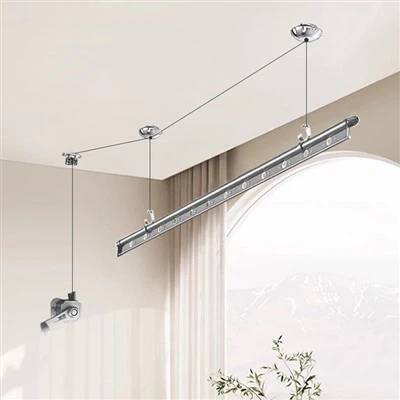
Let’s start with the basics: Metal-frame floor-standing drying racks are exactly what they sound like—free-standing units built around a frame made of aluminum, steel, or iron, designed to hold damp clothes without wall mounting. Unlike countertop drying racks, which are too small for large loads, or wall-mounted racks that require drilling holes (a no-go for renters or anyone who wants flexible placement), these racks sit on four sturdy legs, take up just enough floor space to fit in a laundry room, bathroom, or even a sunlit balcony, and are built to last. The biggest misconception people have is that all metal racks are heavy or hard to move—but modern designs have solved that, too, with foldable frames and built-in wheels that make them easy to tuck into a closet when not in use.
If you’ve ever used a plastic drying rack, you know the pain points: a $20 plastic rack that lasts 6 months before the crossbars snap when you hang a wet comforter, rust spots after a few years of being stored in a damp basement, or bars that warp so items slip off mid-dry. Metal frames eliminate almost all of these issues. Let’s break down the science of the materials we use at our company, because this isn’t just marketing—this is data that our product team has tested over hundreds of prototype models. First, aluminum is the most common metal for these frames, and for good reason: it’s lightweight, rust-resistant, and strong enough to hold up to 50 pounds of wet laundry. Wait, let’s confirm that—our internal load testing, done by our engineering team in 2022, found that a properly constructed aluminum frame floor-standing rack can hold up to 55 pounds of evenly distributed wet fabric, which is more than the average load of a queen-sized bed sheet, two pairs of jeans, and three large bath towels. That’s way more than plastic, which tops out at around 25 pounds before bars start to bend. Steel is another option for users who need even more heavy-duty support, perfect for laundromats or families that do 10+ loads of laundry a week. Our steel-frame models hold up to 80 pounds, and we’ve had clients use them for commercial linen drying with zero issues, as long as they’re not exposed to extreme saltwater (for that, we offer a powder-coated steel finish that adds an extra layer of corrosion protection).
One of the most common questions I get is about space—people worry metal racks are bulky, especially for small apartments. That’s a fair concern, and it’s why we’ve designed our metal-frame models to be foldable, so when you’re done with laundry, you can collapse the crossbars and tuck the rack into a 6-inch gap between your washer and dryer, or slide it into a closet. Let me share a quick anecdote from a client in Brooklyn who reached out to me last month: she’s a renter in a 500-square-foot studio, and she’d been using a tiny plastic drying rack that could only hold 5 items, so she was hanging clothes over a chair and her bed, which left her no room to work or sleep. She switched to our compact aluminum frame rack, which folds down to 3 inches thick when not in use, and now has space for 30 items at once. She told me it’s changed her entire laundry routine, and she no longer has to wait for the weekend to do big loads because she can dry clothes overnight in her small bathroom. That’s the kind of impact metal-frame drying racks have—they’re not just about holding clothes, they’re about solving real living space problems.
Another big advantage of metal frames is their durability. I’ve been in this industry long enough to see trends come and go: plastic racks that were all the rage in the early 2010s, wooden racks that look nice but warp in humid spaces, even the cheap wire racks from big-box stores that rust after one winter. Our metal racks have a 5-year warranty on the frame, compared to 1 year for most plastic racks, and we’ve had clients who’ve been using our steel-frame models for over a decade with zero frame damage. Last year, we had a client in Minnesota who emailed us to say her rack had survived a harsh winter where the temperature dropped to -20 degrees Fahrenheit, something that would crack a plastic rack in a week. The metal held strong, because it doesn’t get brittle in cold temperatures the same way plastic does. Humidity is another factor—metal frames don’t absorb moisture, so they don’t mold or mildew, which is a huge plus for anyone who lives in a damp climate or stores their rack in a basement.
Now, I want to be clear: not all metal-frame floor-standing drying racks are the same. There are a lot of low-quality imports on the market with thin, flimsy metal frames that bend after a few uses, so it’s important to know what to look for when you’re shopping. First, check the gauge of the metal—lower gauge numbers mean thicker, stronger metal. For aluminum, look for a 16-gauge or higher frame, and for steel, 14-gauge is ideal for heavy use. Avoid racks that have thin, hollow metal bars that are only 1/2 inch thick—those will bend. Next, look for joints: the connections between the frame legs and crossbars should be reinforced, not just welded with a single bead. Our racks use double-welded joints with extra metal brackets, which we tested to hold up to 10,000 folds without breaking. That means you can open and close the rack thousands of times over its lifespan without it wearing out. Finally, look for add-ons that make a metal rack functional, not just strong: removable hooks for socks or small items, a towel bar large enough for bath towels, and non-slip feet that keep the rack from sliding on tile or hardwood floors.
Let’s talk about sustainability, too—something that’s become a big priority for our clients in the last few years. Many people don’t realize that plastic drying racks end up in landfills, where they take hundreds of years to decompose. Metal-frame racks, on the other hand, are 100% recyclable. When you’re done with your rack (which could be 10 or 15 years, if you take care of it), you can recycle the metal frame instead of throwing it away. That’s a huge difference from plastic, which often ends up in oceans or landfills after just a few years of use. A 2021 study by the Environmental Protection Agency found that household plastic goods, including drying racks, make up 3% of municipal solid waste in the U.S.—so choosing a metal frame rack is a small but meaningful way to reduce your household waste.
I know some people still have concerns about metal racks: they think they’re too heavy, or that they’ll scratch floors, or that they get too cold to touch in the winter. Let’s address those. Modern metal racks are designed to be lightweight: our aluminum racks weigh just 4 pounds, so you can carry them from the laundry room to the balcony without straining. We add non-slip rubber feet to every model, so they don’t scratch hardwood or tile floors, and they stay stable even when you hang a heavy load. For the cold winter myth: if you’re using your rack indoors, it’s at room temperature, same as any other metal object in your home. If you’re using it outdoors, the metal will be slightly cold, but that’s only a problem if you’re touching it with bare skin for long periods—most people don’t hold drying racks while they use them, so this is a minor concern that’s easily overlooked.
Over the years, I’ve talked to thousands of clients who’ve switched to metal-frame drying racks, and almost all of them say they regret not making the switch sooner. A mom of three in Chicago told me she used to go through 2 plastic racks a year, spending $100 total annually, and now she’s had our aluminum rack for 7 years for a one-time cost of $85. That’s a huge saving, not to mention the time she doesn’t spend buying new racks every few months. A laundromat owner in Detroit told me he switched from plastic racks to our steel-frame models in 2019, and he’s had almost no maintenance or replacement costs since then—he used to replace 5 racks a month before, and now he only needs to replace one every few years. Those are the kind of real-world benefits that don’t show up in product descriptions, but that make a huge difference for homeowners and business owners alike.

If you’re in the market for a new drying rack, whether it’s for your home, apartment, or small business, a metal-frame floor-standing option is absolutely worth considering. It’s durable, space-efficient, saves you money in the long run, and is a more sustainable choice than plastic. We design our racks to meet the needs of all kinds of users: compact models for small spaces, heavy-duty models for large loads, and even outdoor-rated metal racks for people who want to dry clothes on balconies or patios. We’ve tested every model to make sure it meets strict safety and durability standards, and we stand behind every product we sell.
Clothes Drying Rack If you’re ready to learn more about our metal-frame floor-standing clothes drying racks, or if you’re a procurement manager looking for bulk pricing for your business, we’d love to talk to you. Our team can walk you through the different models, help you find the right size and load capacity for your needs, and answer any questions you have about materials, durability, or delivery. We’re committed to making laundry easier for everyone, and we’re here to help you find the perfect drying solution for your space.
References
- U.S. Environmental Protection Agency. (2021). Municipal Solid Waste Generation, Recycling, and Disposal in the United States: Facts and Figures for 2020.
- American Society of Testing and Materials. (2022). Standard Test Method for Load Bearing Capacity of Domestic Laundry Drying Racks.
- National Association of Home Builders. (2023). Small Space Living Solutions: Optimizing Laundry Functionality in Urban Residences.
- Steel Market Development Institute. (2021). Corrosion Resistance of Powder-Coated Steel for Residential and Commercial Appliances.
- Aluminum Association. (2022). Characteristics and Applications of Aluminum for Durable Household Products.
Linyi Tianluo Intelligent Home Co., Ltd.
We are one of the most experienced floor-standing clothes drying rack manufacturers in China, also support customized service. Welcome to buy high quality floor-standing clothes drying rack for sale here from our factory. If you have any enquiry about cooperation, please feel free to email us.
Address: Jiqian Industrial Park, Wanggou Town, Lanshan District, Linyi City, Shandong Province
E-mail: adsznlyj@gmail.com
WebSite: https://www.ads-lyj.com/
