If you’ve ever stood in a metal foundry, a jewelry workshop, or a small-scale chemical processing lab watching a crucible furnace turn raw material into something usable, you know it’s not just a box that gets hot—it’s the heart of the operation. For 12 years, I’ve been a crucible furnace supplier, and I’ve lost count of the times someone has come to me frustrated because they bought a furnace that was either too weak for their workload, too power-hungry to be cost-effective, or so poorly matched to their material it barely worked a month after installation. Choosing the right crucible furnace isn’t just about picking the biggest number on a spec sheet; it’s about matching a dozen small, often-overlooked details to your exact needs. Let’s break this down the way I do with every customer who walks through my door or sends an email asking for help. Crucible Furnace
First, let’s talk about the core of it all: your material. I can’t tell you how many times a new client will say “I need a crucible furnace” and not mention what they’re melting. That’s like buying a car without saying if you need it for city commutes or off-roading. Different materials demand completely different furnace setups. If you’re casting gold, silver, or other precious metals, you need a furnace that can reach at least 1,800°F, hold a steady temperature, and won’t contaminate the precious metal with foreign particles. My go-to recommendation for most small to mid-sized jewelry makers here is our line of electric crucible furnaces with graphite crucibles—they heat evenly, don’t react with precious metals, and are easy to clean between batches. But if you’re melting aluminum or brass for metal casting, you need a furnace that can hit 2,200 to 2,500°F, and you might want a silicon carbide crucible instead of graphite, because it’s more durable for higher-volume melting of non-precious metals. And if you’re working with high-temperature materials like titanium or certain ceramic compounds? You’re looking at a furnace that can reach 3,000°F or more, often with a molybdenum or alumina crucible. I once had a guy come in thinking a basic 1,800°F furnace would work for melting stainless steel; it didn’t even get close, and he wasted $800 on something that was useless. Always start with your material’s melting point, but also check if it reacts to certain crucible materials—that’s a detail that can make or break your finished product.
Next, your workload and production volume. This is where I see the most mistakes. A lot of small workshop owners will look at a furnace that can hold 50 pounds of material and think, “That’s enough,” without calculating how many batches they’ll run in a day. If you’re a custom jewelry maker doing 10 small casts a day, a 20-pound furnace might be perfect—fast to heat up, low energy cost, easy to store. But if you’re a small metal casting shop doing 50 pounds of aluminum every hour for 8 hours straight, a small furnace will leave you waiting around for it to reheat between batches, and you’ll end up wasting more energy running it on high to keep up. For high-volume operations, I always recommend gas-powered crucible furnaces over electric ones—they heat faster and maintain a consistent temperature for long, heavy-use days without spiking your electricity bill. Also, pay attention to the heating time. If you’re doing one batch a day, a furnace that takes 45 minutes to heat is fine, but if you’re running back-to-back batches, a 15-minute heat time will make you way more efficient. I had a customer last year who bought a furnace that was too small for his weekly production; he was having to run three separate batches every time he needed 100 pounds of bronze, which took twice as long as a single batch in a properly sized furnace. Don’t guess your volume—write it down. How many hours a day will you run it? How much material per batch? That math will save you a lot of headache.
Then there’s the type of crucible furnace, and it’s not one-size-fits-all. Most of my customers fall into two main categories: electric and gas, and each has its pros and cons. Electric crucible furnaces are great for small workshops, clean environments, and applications where precise temperature control is key. You can set a temperature and it will stay within 10 to 20 degrees, which is perfect for jewelry making or small batch casting where consistency is everything. They’re also easier to install—you just plug them into a standard 220V outlet, no gas line needed. The downside is they take longer to heat up, and if you’re running them for 8+ hours a day, the energy cost adds up. Gas furnaces, on the other hand, heat up in half the time, can handle way higher volumes, and the fuel cost is often lower than electricity for heavy use. They’re ideal for larger foundries, auto parts shops, or operations melting large amounts of non-precious metals. The catch? You need a gas line or propane tank set up, and temperature control is a little less precise—usually within 50 to 100 degrees, which is fine for aluminum or brass, but not ideal for precious metals where even a 30-degree swing can ruin a casting. There are also induction crucible furnaces, which are a newer option for small to mid-sized operations. They use electromagnetic induction to heat the crucible directly, which is super energy efficient, heats up fast, and has very precise temperature control. They’re a little more expensive upfront, but for customers who value efficiency, they’re a game-changer. I’ve had a few customers switch from electric to induction and cut their energy bills by 40% in the first six months, even though the furnace cost 20% more. It’s all about what you prioritize: upfront cost, long-term operational cost, precision, or volume.
Something a lot of people forget to consider is temperature uniformity and insulation. You can have a furnace that says it can reach 3,000°F, but if the heat is only concentrated in the middle, the material around the edges will be underheated and unusable. Good insulation is what keeps the heat even and prevents it from escaping, which also saves energy. Most crucible furnaces use refractory insulation—materials like alumina-silica wool or castable refractory. The thickness of the insulation matters too. A furnace with 4 inches of insulation will hold heat way better than one with 2 inches, so it will heat faster, use less energy, and last longer because the outer shell won’t get hot enough to wear out. I always tell customers to ask for the R-value or insulation thickness of any furnace they’re looking at. I once had a customer buy a cheap furnace from a big online retailer that had only 2 inches of insulation; after a few months, the outer surface was so hot you couldn’t touch it, and his electricity bill was 30% higher than he expected. It didn’t take long for him to call and trade it in for one with thicker insulation. Insulation isn’t something you see, but it’s one of the most important parts of the furnace’s performance and your bottom line.
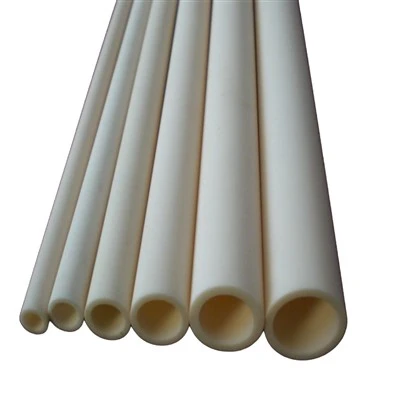
Crucible compatibility is another make-or-break detail. I touched on this earlier, but let’s go deeper. The crucible is the container that holds your material while it melts, and it has to match both your furnace and your material. Graphite crucibles are great for precious metals, aluminum, and brass—they’re affordable, good heat conductors, and they don’t react with most of these materials. But they’re not good for high-temperature materials like titanium or for materials that oxidize a lot, because graphite can break down in those conditions. Silicon carbide crucibles are stronger, can handle higher temperatures, and are more resistant to oxidation, so they’re better for larger batches of aluminum, copper, or brass. They’re a little more expensive than graphite, but they last 2 to 3 times longer. Alumina crucibles are for ultra-high-temperature materials like titanium, zirconium, and ceramic powders—they can handle up to 3,200°F, but they’re brittle, so you have to be careful handling them. Molybdenum crucibles are for even higher temps, up to 4,500°F, but they’re not cheap, and they need to be used in an inert atmosphere to prevent oxidation. The key here is: if your furnace uses a graphite crucible, don’t try to put a silicon carbide one in it—they fit different sizes and have different heat requirements. Always check the furnace’s recommended crucible type and size before you buy, otherwise you’ll end up with a crucible that doesn’t fit or doesn’t work.
Portability and space are also things you need to think about, especially if you’re setting up a small workshop or need to move your furnace around. A lot of my customers have limited space—they might be running a workshop in a garage, a small storefront, or a shared space. Compact electric furnaces are perfect for these cases—they’re small enough to sit on a workbench, easy to move if you need to rearrange your space. But if you’re running a larger operation, you might need a stationary furnace, which is heavier and not designed to be moved. Also, consider ventilation. Melting material produces fumes, even if it’s just metal oxide fumes, and you need to make sure your furnace has a way to vent those fumes outside. Electric furnaces usually have a small vent at the top that hooks up to a basic exhaust hood, while gas furnaces need a proper flue or vent system. If you don’t have good ventilation, you could be putting yourself at risk for respiratory issues, and the fumes can also damage your furnace over time. I had a customer who set up his furnace in a closed garage without ventilation—after a month, the fumes had corroded the heating elements, and the furnace died. It was a $1,500 mistake that could have been avoided with a $50 exhaust hood.
Don’t forget about safety features either. This is non-negotiable. Melting metal at thousands of degrees is dangerous, and a good crucible furnace should have built-in safety features to protect you and your investment. Basic features include over-temperature protection, which will shut the furnace down if it gets too hot, preventing overheating and damage to the heating elements. There should also be a thermal cut-off that activates if the furnace’s outer surface gets too hot, which is a good safety measure for workshops with kids or other people around. For gas furnaces, you need a flame failure sensor, which will automatically shut off the gas if the flame goes out, preventing gas buildup that could cause a fire or explosion. Electric furnaces should have a solid outer shell that stays cool to the touch, so you don’t accidentally burn yourself if you bump into it. I always prioritize safety features over a cheap price tag. Last year, a customer bought a furnace from a supplier that didn’t have over-temperature protection; when the temperature sensor failed, the furnace kept heating until the insulation caught fire. By the time the fire department put it out, the entire workshop was damaged, and the customer lost months of work. That’s the kind of disaster you avoid by paying attention to safety features.
Now, let’s talk about long-term cost, not just upfront price. I know it’s tempting to go for the cheapest furnace you can find, but that’s almost always a bad idea. A $1,000 electric furnace might seem like a steal, but if it uses way more energy than a $1,500 furnace with better insulation, you’ll end up spending $500 more on electricity in a year. A cheap gas furnace might have a shorter lifespan—maybe 2 years—while a reputable one will last 5 to 7 years. Also, consider the cost of replacement parts and service. If you buy a furnace from a brand that doesn’t have local support, you might have to wait weeks for a replacement heating element, which will stop your production. At my company, we keep common parts in stock for all the furnaces we sell, and we offer on-site service for customers within 50 miles, or remote support for anyone else. I’d rather sell you a furnace that costs a little more upfront but will save you money over time than one that’s cheap now but becomes a money pit later. I always ask customers to calculate total cost of ownership, not just the purchase price. That’s how you make a smart decision, not a quick one.
At the end of the day, choosing the right crucible furnace is about aligning your specific needs with the furnace’s capabilities. If you’re a jewelry maker melting silver and gold in small batches, a compact electric furnace with graphite crucibles and good temperature control is perfect. If you’re a metal casting shop running large batches of aluminum 8 hours a day, a gas furnace with thick insulation and silicon carbide crucibles will serve you better. If you’re a high-tech lab working with high-temperature metals, you’ll need an induction or ultra-high-temperature furnace with alumina or molybdenum crucibles. There’s no “best” crucible furnace—only the one that fits your work, your space, your budget, and your safety needs.
If you’re feeling overwhelmed and not sure where to start, I get it. I’ve been in this business long enough to know that every operation has unique needs, and it’s hard to find the time to sort through all the specs and details on your own. That’s why I and my team offer free consultations for anyone looking for a crucible furnace. We’ll ask you about your material, your production volume, your workshop space, and your budget, and we’ll help you find the furnace that’s right for you—no pushy sales tactics, no hidden fees, just honest advice based on years of working with customers in every industry from jewelry to metal casting to chemical processing. Whether you’re a small startup just getting off the ground or an established business looking to upgrade your current furnace, we’re here to help.
Annealing Furnace Reference List
- Practical Guide to Metal Melting Furnaces and Crucibles, Foundry Trade Journal, 2021
- Industrial Furnace Insulation and Energy Efficiency Report, International Energy Agency, 2022
- Safety Standards for Crucible Furnaces, Occupational Safety and Health Administration (OSHA), 2020
- Induction vs. Electric vs. Gas Furnaces: A Performance Comparison, Journal of Manufacturing Processes, 2023
- Crucible Material Compatibility for High-Temperature Applications, Journal of Materials Processing Technology, 2021
Danyang Dingfeng Industrial Furnace Co., Ltd.
Danyang Dingfeng Industrial Furnace Co., Ltd. is one of the most experienced crucible furnace manufacturers and suppliers in China, also supports customized service with low price. Please feel free to wholesale high quality crucible furnace made in China here from our factory. For pricelist, contact us now.
Address: Lizhuang Economic Development Zone, Danyang City
E-mail: saleszk@dffurnace.com
WebSite: https://www.dffurnace.com/
