Hey there, if you’ve ever stocked up on propane hoses, regulators, adaptors, or those little spare parts that go with every gas setup, you know the vibe: leave a regulator coiled on the garage floor, and next thing you know it’s got kinks, dirt in the vent, or even a tiny crack you can’t see until it’s too late. As a propane accessories supplier, I’ve seen every mistake people make with storing these parts—y’all buy the right gear, use it for a few months, then let it get ruined because you stuck it in a junk drawer or leaned the tank against a stack of patio chairs. Today, I’m spilling all the real, no-fluff tips that actually work to keep your propane accessories safe, functional, and ready when you need ’em. Let’s cut the fancy jargon and get to it, yeah? Gas Accessories
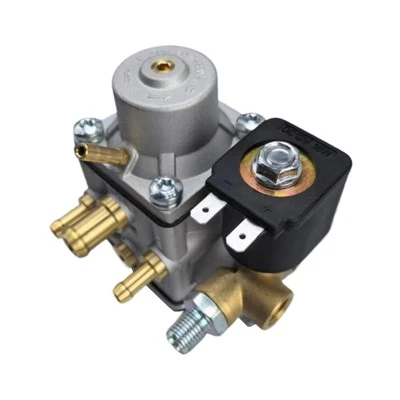
First off, let’s talk about the two most popular, most mis-stored propane parts: regulators and hoses. I see so many folks yank a regulator off a tank after a camping trip, yank it off the line, and just toss it somewhere. Newsflash: regulators are basically precision little metal boxes that control how much gas flows, and if you rough ’em or expose ’em to garbage, they stop working right. Here’s the thing I teach every customer who buys a regulator from my shop: never store it coiled super tight. I see people wrap a 10-foot hose around a plastic spool like it’s a extension cord, and that’s a one-way ticket to kink city. Those kinks don’t just look bad—they narrow the gas flow, make your grill sputter, and even cause safety issues if the pressure builds weird. Instead, when you’re putting a hose away after a cookout or a job, coil it loosely into big loops, like how you hold a jump rope when you’re waiting to play. Then, for extra credit, stuff a clean, dry paper towel or even a cheap plastic pipe cap in both ends of the hose to keep dirt, spiders, and random garage gunk out. Spiders love to make webs in gas hoses, y’all—those webs can block flow way worse than a kink, and you won’t notice till you fire up the grill and it dies mid-steak. I’ve had customers come back swearing their brand-new hose was defective, and it turned out a spider built a nest right where the gas comes out. Fix that by capping the ends, easy peasy.
Regulators, too—they don’t need to be stuffed into a crowded shelf where they get banged around. The vent on the side? That’s where air flows through to keep the regulator cool and accurate. If you cover that vent with a rag or set the regulator on its side where dust piles up, you’ll get wonky pressure readings, and your grill might either not light or suddenly fire up way too hot. After you disconnect a regulator from a tank or a line, wipe it down with a dry cloth (no water, don’t get it wet—moisture can rust the internal parts) and set it upright in a cool, dry spot. A small plastic bin with a loose lid works perfect, or even a hook on the wall—just make sure the vent isn’t pressed against anything. If you have a spare regulator, don’t leave it in the sun, either. UV rays break down the rubber and plastic parts over time, even when they’re not in use. I’ve had a customer buy three spare regulators for his RV, leave ’em on the porch for two years, and the rubber seals crumbled when he tried to hook one up. Lesson learned: sun = enemy number one for propane accessories.
Next up, adaptors and those tiny spare parts—like the little brass fittings, O-rings, and splitters that everybody loses. Those are the easiest to mess up, and the most annoying when you need one. I swear, I go to trade shows and see grown men rummaging through their junk drawers for an hour looking for a missing O-ring, like they couldn’t have spent two bucks buying a pack and storing it properly. Here’s my go-to hack: get a set of small, clear plastic bins or even old pill bottles (the kind with the childproof lids work great—keeps kids out too) and label every single spot. Put all O-rings in one, all brass adaptors in another, all small splitters in a third. If you don’t want to write “O-rings” on the bottle, use different colored bottle caps—red for O-rings, blue for adaptors, whatever works. The key here is no more “where did I put that stupid tiny metal thing?” and no more losing parts that can cause leaks. I once sold a customer a new hose, and he forgot to keep the little adaptor that connects his RV to a home tank—ended up paying a guy at the campground $25 for a replacement, when he could’ve just put the adaptor in his labeled bin after he unboxed it. Pro tip: when you unbox any new propane accessory, first take out all the small parts and put ’em in their labeled spot, before you even set the big part down. That way you never lose ’em.
Now, let’s talk about storing accessories when they’re connected to a propane tank—wait, is that even a good idea? Let’s get real: sometimes people have a small tank connected to their grill, and they store the whole setup on the back patio or in the garage. But if you’re storing a tank with accessories attached, there are rules you gotta follow. First, never leave a tank with a regulator and hose connected outside in extreme weather. If you live in a place that snows, or gets super hot in the summer, bring the whole thing inside—garages are fine, but not a shed that gets way too cold or way too hot. And if you’re storing a tank that’s empty? Disconnect everything. Even if the tank feels empty, there’s always residual gas inside, and if you leave the regulator attached, the rubber seals can degrade over time from that residual gas. Plus, empty tanks take up less space if you take the accessories off and store them separately.
Wait, what about big stuff? Like spare tanks, or bulk propane accessories for small businesses? I work with a lot of local landscaping companies and food trucks, and they stock a ton of hoses, regulators, and parts. For bulk storage, my advice is to use a dedicated shelving unit that’s not near any open flames or heat sources—no hot water heaters, no space heaters, no electrical panels that spark. Propane is flammable, so common sense says don’t store its accessories anywhere that could cause a spark. Also, don’t stack heavy stuff on top of propane parts—like a bag of fertilizer or a stack of lawn chairs—because that can crush hoses, crack regulators, or damage the seals on adaptors. I once had a landscaping customer come to me with 12 cracked regulators, and when he told me he stacked all his soil bags on top of the shelf where he kept ’em, I knew exactly why. No more stacking heavy stuff above your gas gear.
Another thing a lot of people forget: cleaning your accessories before storing them. When you’re done using a hose for a mower, a grill, or a space heater, it’s covered in dirt, grease, or even leftover food residue. If you stick it in a drawer with all that gunk on it, that gunk will get into the fittings the next time you use it. After each use, take a damp (not soaking wet) rag and wipe down the hose and regulator. Dry ’em completely before putting them away—moisture is bad for the metal parts, like I mentioned earlier, and it can cause rust, which ruins the fittings. For the really dirty stuff, like hoses that got covered in mud on a job site, rinse ’em with mild soap and water, dry them fully with a towel, and leave them hanging for a day before storing. Don’t put a damp hose in a closed bin—that’s a breeding ground for mold, and the mold can eat away at the rubber over time.
Wait, what about long-term storage? Like if you’re going on a big trip, or storing your RV for the winter, and you need to put all your propane accessories away for 6 months or more. That’s when you gotta go the extra mile. Disconnect every single part from the tank, wipe them all down thoroughly with a mild detergent to get off any grease or grime, dry them completely, and then put them in airtight plastic bins. If you have spare hoses, maybe wrap them in a soft cloth instead of just loose in a bin—keeps them from getting scuffed up. And for regulators, if you’re storing them long-term, you can put a thin layer of food-grade silicone grease on the threads (not inside the vent, just on the metal threads that connect to the tank) to keep the seals from drying out. Don’t use motor oil or any other kind of grease—only silicone, because it won’t react with propane. Also, make sure all the caps are on every fitting, to keep dust and moisture out. I had a customer who put his RV’s propane parts in storage for a year, and when he took them out, the O-rings were rock hard because he didn’t grease the threads or cap the ends. That’s a $5 fix if you remember to do it before storage.
Now, let’s get to the safety stuff, because that’s the biggest reason storing your propane accessories right matters. If you store them wrong, you’re not just ruining a $10 hose—you’re risking leaks, fires, or even explosions. I can’t tell you how many times I’ve heard horror stories from customers who had a small leak because a hose was kinked all winter, or a regulator got covered in dust and stopped working. The best part is, most of this stuff is so easy to do—no fancy equipment, no expensive tools. Just a little bit of organization, a few bins, and 5 minutes of time after you use your gear.
As a propane accessories supplier, I’ve seen all the tricks that work, and all the tricks that don’t. The worst advice I hear is “just toss ’em in the garage, it’s fine.” No, it’s not fine. It’s going to cost you more money in the long run, and it’s a safety risk. The best way to make sure your accessories last is to be intentional about where and how you store them.

If you’re tired of losing parts, dealing with kinked hoses, or replacing regulators way too often, we can help. We stock all the right gear—from small O-ring sets to heavy-duty hoses to industrial-grade regulators—so you can get everything you need, and even ask us for specific storage tips that fit your setup. Whether you’re a backyard griller, a landscape contractor, or an RV owner, we’ve got you covered. Reach out to our team to talk through your needs, order the right parts, or even ask any questions about storing your propane accessories.
Gas Injector References:
- National Fire Protection Association. NFPA 58: Liquefied Petroleum Gas Code. 2021 Edition.
- Propane Education & Research Council. “Safe Storage of Propane Equipment and Accessories.” 2022.
- U.S. Consumer Product Safety Commission. “Propane Gas Safety Tips for Consumers.” 2023.
- American Society of Mechanical Engineers. ASME B109: Standard for Compressed Gas Cylinder Valves and Fittings. 2020.
Chengdu Xinbante Mechanical and Electrical Co., Ltd.
As one of the most professional gas accessories manufacturers and suppliers in China, we’re featured by quality products and good service. Please rest assured to buy bulk advanced gas accessories made in China here from our factory. We also accept customized orders.
Address: Industrial Zone, Longqiao Town, Xindu District, Chengdu City, Sichuan Province, China
E-mail: sales@cdxbt.com
WebSite: https://www.cdxbt.com/
