In the realm of industrial automation, Programmable Logic Controllers (PLCs) play a pivotal role, and the PLC cabinet serves as a crucial housing unit that safeguards and integrates these controllers. As a seasoned PLC cabinet supplier, I’m often asked about the communication interfaces of PLC cabinets. In this blog, I’ll delve into the various communication interfaces that are commonly found in PLC cabinets, their functions, and how they contribute to the overall efficiency of industrial automation systems. Plc Cabinet
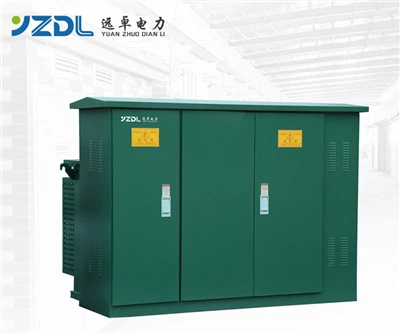
Understanding the Basics of PLC Cabinet Communication Interfaces
A PLC cabinet is not just a simple enclosure; it is a complex system that needs to communicate with various devices and systems. Communication interfaces are the gateways through which the PLC cabinet exchanges data with other components in the industrial network. These interfaces are designed to ensure seamless data transfer, allowing for real – time monitoring, control, and automation of industrial processes.
Serial Communication Interfaces
Serial communication is one of the oldest and most widely used methods of data transfer in PLC cabinets. It involves the transmission of data one bit at a time over a single communication line.
RS – 232: This is a standard serial communication interface that is commonly used for short – distance communication between a PLC and a PC or other devices. It has a relatively low data transfer rate, typically up to 115,200 baud. RS – 232 is often used for configuration, programming, and monitoring of PLCs. For example, when a technician needs to upload a new program to a PLC, they can use an RS – 232 cable to establish a connection between the PC and the PLC.
RS – 485: RS – 485 is an improvement over RS – 232, especially for longer – distance communication. It supports multi – drop communication, which means multiple devices can be connected to the same communication line. This makes it suitable for applications where a PLC needs to communicate with multiple sensors or actuators over a relatively long distance. RS – 485 can achieve data transfer rates of up to 10 Mbps and can support distances of up to 1200 meters.
Ethernet Communication Interfaces
Ethernet has become the standard for industrial communication in recent years due to its high data transfer rate, reliability, and compatibility with existing network infrastructure.
Standard Ethernet: PLC cabinets equipped with standard Ethernet interfaces can easily connect to a local area network (LAN) or the Internet. This allows for remote monitoring and control of the PLC system. For example, a factory manager can access the PLC cabinet from their office computer to check the status of the production line. Standard Ethernet also supports the use of various industrial protocols such as Modbus/TCP, Profinet, and Ethernet/IP.
Industrial Ethernet: Industrial Ethernet is specifically designed for industrial applications. It offers features such as high – speed data transfer, real – time communication, and enhanced reliability. Industrial Ethernet protocols like PROFINET and EtherCAT are widely used in PLC cabinets. These protocols ensure deterministic communication, which is crucial for applications where precise timing is required, such as in robotics and motion control systems.
Fieldbus Communication Interfaces
Fieldbus is a digital communication network that connects field devices such as sensors, actuators, and controllers in an industrial environment.
Modbus: Modbus is one of the most popular fieldbus protocols. It is a simple and easy – to – implement protocol that allows for communication between a master device (usually a PLC) and multiple slave devices. Modbus can be used over serial communication (Modbus RTU) or Ethernet (Modbus/TCP). It is widely used in various industries for applications such as monitoring and control of industrial equipment.
Profibus: Profibus is a high – speed fieldbus protocol that is commonly used in industrial automation. It has two main variants: Profibus DP (Decentralized Peripherals) and Profibus PA (Process Automation). Profibus DP is used for fast communication between a PLC and distributed I/O modules, while Profibus PA is used for communication with field devices in process automation applications.
The Importance of Communication Interfaces in PLC Cabinets
The communication interfaces in a PLC cabinet are essential for several reasons:
Data Exchange
Communication interfaces enable the PLC cabinet to exchange data with other devices in the industrial network. This data can include sensor readings, control commands, and status information. For example, a temperature sensor can send temperature data to the PLC, and the PLC can then send control commands to a heater or cooler based on the received data.
Remote Monitoring and Control
With the help of communication interfaces, PLC cabinets can be remotely monitored and controlled. This is especially useful for industries where the PLC system is located in a remote or hazardous area. For instance, in an oil refinery, technicians can monitor and control the PLC cabinet from a safe control room, reducing the risk of exposure to dangerous chemicals.
Integration with Other Systems
Communication interfaces allow PLC cabinets to be integrated with other industrial systems such as enterprise resource planning (ERP) systems and manufacturing execution systems (MES). This integration enables seamless data flow between different levels of the industrial hierarchy, improving overall efficiency and productivity.
Choosing the Right Communication Interface for Your PLC Cabinet
When selecting a communication interface for a PLC cabinet, several factors need to be considered:
Application Requirements
The nature of the industrial application determines the type of communication interface required. For example, if the application requires high – speed data transfer and real – time communication, an industrial Ethernet interface may be the best choice. On the other hand, if the application involves communication over a long distance with multiple devices, an RS – 485 interface may be more suitable.
Compatibility
The communication interface should be compatible with the other devices and systems in the industrial network. For example, if the existing network uses a particular fieldbus protocol, the PLC cabinet should support that protocol to ensure seamless integration.
Scalability
The communication interface should be scalable to accommodate future expansion of the industrial system. This means that it should be able to support additional devices and increased data traffic without significant performance degradation.
Our Offerings as a PLC Cabinet Supplier
As a PLC cabinet supplier, we understand the importance of choosing the right communication interface for our customers. We offer a wide range of PLC cabinets with different communication interfaces to meet the diverse needs of various industries.
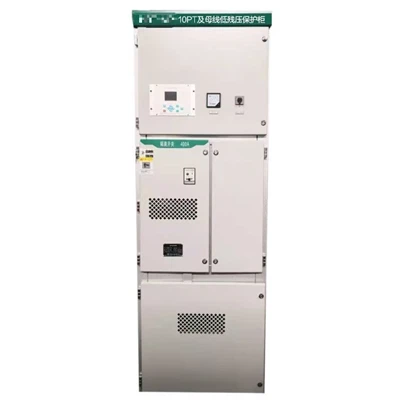
Our PLC cabinets are equipped with high – quality communication interfaces that are reliable and easy to use. We provide comprehensive technical support to ensure that our customers can effectively integrate the PLC cabinets into their industrial systems. Whether you need a serial communication interface for a small – scale application or an industrial Ethernet interface for a large – scale automation project, we have the right solution for you.
Conclusion
Uninterruptible Power Supply In conclusion, the communication interfaces of a PLC cabinet are crucial for the efficient operation of industrial automation systems. They enable data exchange, remote monitoring and control, and integration with other systems. As a PLC cabinet supplier, we are committed to providing our customers with high – quality products and excellent technical support. If you are in the market for a PLC cabinet and need to discuss your specific requirements, we invite you to contact us for a procurement discussion. We look forward to working with you to find the best solution for your industrial automation needs.
References
- "Industrial Communication Technology Handbook" by Peter J. Curtis
- "Programmable Logic Controllers: Principles and Applications" by Thomas J. Gorman
Yuanzhuo Electrical Equipment (Jiangsu) Co., Ltd.
We’re well-known as one of the leading plc cabinet manufacturers and suppliers in China. We warmly welcome you to wholesale high quality plc cabinet at competitive price from our factory. If you have any enquiry about cooperation, please feel free to email us.
Address: Group 8, Chengdong Village, Fucheng Sub-district Office, Funing County
E-mail: markcheng1358@126.com
WebSite: https://www.yzdlchina.com/
