A check valve, also known as a non – return valve, plays a crucial role in various fluid systems. As a supplier of check valves, I’ve witnessed firsthand how these simple yet ingenious devices can significantly influence system efficiency. In this blog, I’ll explore the multifaceted impacts of check valves on system efficiency from different perspectives. Check Valve

Flow Direction Control and Efficiency
One of the primary functions of a check valve is to control the direction of fluid flow. In a system, fluids such as water, oil, or gas need to flow in a specific direction to ensure proper operation. A well – functioning check valve allows fluid to flow freely in one direction while preventing backflow.
For example, in a water supply system, a check valve installed at the pump outlet ensures that water flows from the pump to the distribution network. Without a check valve, water could flow back into the pump when the pump stops, which not only wastes energy but also may cause damage to the pump. When the pump restarts, it has to work harder to overcome the backflow and build up the pressure again. By preventing backflow, the check valve helps the pump operate more efficiently, reducing energy consumption and wear and tear on the equipment.
In a hydraulic system, check valves are used to control the flow of hydraulic fluid. They ensure that the fluid moves in the correct direction through different components such as cylinders and motors. This precise control of fluid flow allows the hydraulic system to operate smoothly and efficiently. For instance, in a construction equipment’s hydraulic system, a check valve can prevent the hydraulic fluid from flowing back into the reservoir when the cylinder is extended. This maintains the pressure in the system and enables the equipment to perform its tasks effectively.
Pressure Regulation and System Efficiency
Check valves also contribute to pressure regulation within a system. In some systems, maintaining a stable pressure is essential for optimal performance. A check valve can help achieve this by preventing pressure fluctuations caused by backflow.
In a steam system, for example, check valves are used to prevent steam from flowing back into the boiler when the steam pressure drops. If steam were to flow back, it could cause water hammer, which is a sudden pressure surge that can damage pipes and equipment. By preventing backflow, the check valve helps maintain a stable steam pressure, ensuring the efficient operation of the steam system.
In a gas pipeline system, check valves are installed at various points to control the pressure and flow of gas. They prevent the reverse flow of gas, which could lead to pressure imbalances and potential safety hazards. A properly selected check valve can help maintain the desired pressure in the pipeline, reducing energy losses and improving the overall efficiency of the gas distribution system.
Energy Savings and Efficiency
Energy efficiency is a major concern in modern systems. Check valves can contribute to significant energy savings in several ways.
As mentioned earlier, by preventing backflow, check valves reduce the workload on pumps and other equipment. When a pump doesn’t have to deal with backflow, it can operate at a more efficient level. This means less energy is consumed to achieve the same flow rate and pressure.
In addition, check valves can also help in systems where fluid is recirculated. For example, in a cooling water system, a check valve can ensure that the cooling water flows in the correct direction through the heat exchanger and back to the cooling tower. This efficient circulation of water reduces the energy required to cool the system, as the heat exchanger can operate more effectively when the water flow is consistent.
Maintenance and System Longevity
The use of check valves can also impact system efficiency by reducing maintenance requirements and extending the lifespan of the system.
When a check valve prevents backflow, it reduces the stress on other components in the system. For example, in a sewage system, a check valve at the outlet of a lift station prevents sewage from flowing back into the station. This reduces the risk of clogging and damage to the pumps and pipes, which in turn reduces the frequency of maintenance and replacement.
In an industrial process where corrosive fluids are involved, a check valve can protect downstream equipment from the reverse flow of these fluids. This helps to prevent corrosion and damage to the equipment, increasing its lifespan and reducing the need for costly repairs or replacements.
Impact on Different Industries
The impact of check valves on system efficiency varies across different industries.
In the oil and gas industry, check valves are used in wellhead equipment, pipelines, and refining processes. In wellhead applications, check valves prevent the backflow of oil or gas into the well, ensuring the safety and efficiency of production. In pipelines, they help maintain the pressure and flow of the hydrocarbons, reducing energy losses during transportation.
In the chemical industry, check valves are crucial for controlling the flow of various chemicals. They prevent the mixing of different chemicals due to backflow, which could lead to dangerous chemical reactions. By ensuring the proper flow of chemicals, check valves contribute to the efficient operation of chemical processes and the safety of the facilities.
In the power generation industry, check valves are used in steam turbines, cooling water systems, and fuel supply systems. They help maintain the proper flow and pressure of steam, water, and fuel, ensuring the efficient generation of electricity.
Selecting the Right Check Valve for Efficiency
As a check valve supplier, I understand the importance of selecting the right check valve for a specific application. The type of check valve, its size, and its material all play a role in determining its impact on system efficiency.
There are different types of check valves, such as swing check valves, lift check valves, and ball check valves. Swing check valves are suitable for applications with low – velocity flows, while lift check valves are better for high – pressure systems. Ball check valves are often used in applications where a tight shut – off is required.
The size of the check valve should be carefully selected to match the flow rate and pressure requirements of the system. An oversized check valve may not close properly, leading to backflow, while an undersized check valve can cause excessive pressure drop and reduced efficiency.
The material of the check valve is also important, especially in applications where the fluid is corrosive or abrasive. For example, in a seawater desalination plant, check valves made of corrosion – resistant materials such as stainless steel or titanium are required to ensure long – term operation and efficiency.
Conclusion
In conclusion, check valves have a profound impact on system efficiency. They control the flow direction, regulate pressure, save energy, reduce maintenance, and extend the lifespan of systems. Whether in water supply, hydraulic, steam, gas, or other industrial systems, the proper use of check valves can significantly improve the overall performance and efficiency of the system.
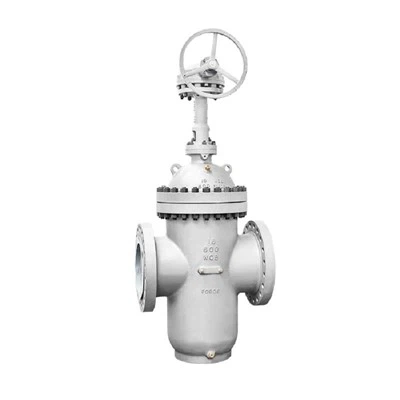
Gate Valve As a check valve supplier, I am committed to providing high – quality check valves that meet the diverse needs of different industries. If you are looking to improve the efficiency of your system, I encourage you to contact me for a consultation. We can work together to select the most suitable check valve for your application, ensuring optimal performance and long – term reliability.
References
- "Fluid Mechanics and Hydraulic Machines" by R. K. Bansal
- "Valve Handbook" by Cameron International Corporation
- Industry standards and guidelines related to check valve design and application.
Wuxi PYNOS Flow-tech Co., Ltd.
As one of the leading check valve manufacturers and suppliers in China, we offer a wide range of products with superior quality. We warmly welcome you to buy high quality check valve made in China here from our factory. We also accept customized orders.
Address: Sales Center: 7th Floor, No.19 Qingyuan RD, Wuxi City, Jiangsu Prov., China
E-mail: Info@pynosvalve.com
WebSite: https://www.pynosvalves.com/
