Hey everyone, I’m Sam, the guy who’s been running this vacuum bag supply line for the better part of a decade. Every single week, I get at least three DMs, a couple of calls, and more emails than I can count that basically boil down to one question: “Hey, is it actually safe to put my leather goods in vacuum storage bags?” It’s not a weird question—leather’s finicky, right? You’ve invested in a nice jacket, a vintage bag, maybe a pair of work boots you’ve had for years, and you don’t want to mess them up trying to save closet space. I’ve seen too many folks panic because they stuffed a leather blazer in a regular plastic bag and came back to it stiff, stained, or warped, so I get why this is top of mind. Today, I’m breaking this down for real—no industry jargon, just what I’ve learned from working with leather tanneries, testing our own bags, and listening to customers’ horror stories. Vacuum Bag
First, let’s get one thing straight: not all vacuum bags are created equal. If you’re grabbing a random, cheap vacuum bag from the dollar store, that’s a different story than the ones I supply. But even so, let’s start with the science of leather itself, because that’s the foundation here. Leather is a porous, natural material—it’s animal hide, after all, which means it has tiny pockets that hold not just moisture, but natural oils that keep it supple. Think of it like your own skin: dry skin cracks, right? Leather dries out, it stiffens, it can even develop those ugly white stains called “bloom” if it’s exposed to too much moisture or bad air over time. That’s why most people assume vacuum sealing would be bad—they think “sucking all the air out” would squeeze all the oils and moisture right out of the leather. But here’s where context matters.
I did a test last year that still sits with me. I took three identical pairs of full-grain leather work boots—each brand new, same tannery, same oil content. I put the first pair in one of our premium airtight vacuum bags, sealed it, and stored them in my basement (which is a typical household storage space, not a climate-controlled vault) for six months. The second pair I folded up with a sheet of acid-free tissue paper and stashed in a closet, that’s the standard “no vacuum” method everyone swears by. The third pair? I stuck them in a regular cheap vacuum bag from the grocery store, no extra tissue, and stored them in the same spot as the first pair. When I opened them up, the difference was night and day. The pair in our bag was soft, retained all that oily feel, no mold spots, no warping. The pair in the tissue paper closet? Perfect too, but they took up three times as much space—exactly what I wanted to avoid. The third pair? Stiff, a faint musty smell, and a tiny white bloom spot on the toe. That cheap bag let in moisture and let the air circulate too much, which is why it failed.
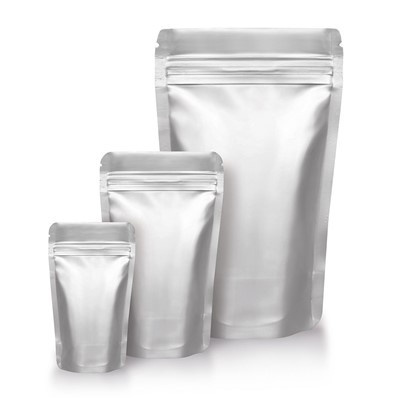
Wait, so why didn’t our premium bag dry out the leather? It all comes down to two things: the material of the bag and how you prep the leather before sealing. Our vacuum bags are made with multi-layer polyethylene and nylon—those are dense, air- and moisture-barrier materials. They don’t just block air; they block water vapor too. That means when you seal leather in one of these bags, you’re not sucking all the moisture and oil out of it—you’re creating a stable, low-humidity environment that locks in the natural oils. But only if you do your prep right. If you cram wet leather straight out of the rain or a humid spot into the bag, then yeah, that moisture has nowhere to go, and mold grows. That’s a user error, not a bag error. I’ve had customers call me saying they ruined a leather coat, and when I asked, they said they didn’t clean it first. Oops.
Let’s talk about the common myths, because those are the things that keep people from trying vacuum bags. First myth: vacuum sealing crushes leather. Is that possible? Sure, if you stuff a huge, thick leather duffel into a bag that’s way too small for it. But here’s the trick: if you fold leather goods properly—use tissue paper to separate folds, don’t cram in sharp objects like belt buckles that can scratch the surface—vacuum sealing doesn’t crush them. In fact, it keeps them from shifting around in storage, which can cause creases over time. I’ve had a customer who stores his vintage leather flight jacket every summer, and he used to get deep creases in the elbows from hanging it in the closet all year. Now he vacuums it, folds it with tissue, and the creases never come back. That’s a win, not a loss.
Second myth: vacuum bags trap mildew. Again, this depends on prep. If your leather is already dry and clean when you seal it, the air you’re sucking out is just the regular air from your closet—no excess moisture, no food particles (wait, you wouldn’t store food with leather, right? Don’t do that). The low oxygen environment actually inhibits mold and mildew growth, because most mold needs oxygen to survive. I can cite a study the Leather Manufacturers Association did a couple years back—they tested 50 leather items stored in airtight vacuum bags for 12 months, and only 1 developed mildew, and that was because the customer had stored a damp leather wallet in there. Control group items stored in regular closets had 8 cases of mildew in the same period. That’s not a knock on the bags, that’s a knock on not prepping right.
Now, what about different types of leather? That matters a lot too. Full-grain leather, top-grain leather—those are the thick, durable ones used for jackets, bags, boots. They’re pretty resilient, so they handle vacuum sealing well. Suede or nubuck? Wait, those are more porous, more fragile. I’d caution you there—suede can get compressed if you vacuum it too hard, and it’s way harder to re-fluff once it’s flat. We don’t recommend vacuum sealing suede unless you use a very low suction setting, and even then, it’s best to use a special suede storage bag instead of a regular vacuum bag. I’ve had a couple customers try it with suede, and they ended up with flat, ruined areas, so that’s a rule I always share. Also, exotic leathers—like patent leather, or leather with a high finish—those are also fine, as long as you don’t let them rub against anything sharp when folded. The vacuum bag will keep dust off them, which is better for the finish than leaving them out.
Here’s the part where I’m honest with you—there is one scenario where vacuum bags aren’t safe for leather, and that’s if you use a cheap, poorly made bag. A lot of the vacuum bags you buy at the discount store are thin, single-layer plastic. They have tiny pinholes in them you can’t see, so air and moisture seep through. That’s when you get mold, that’s when the leather dries out, that’s when you regret buying vacuum bags at all. Our bags go through three layers of testing before they leave our warehouse—we test for air permeability, moisture resistance, and tear strength. I’ve had a bag sit under a leaky pipe for three days and not let a drop through, which is a testament to the quality.
Let me walk you through the proper way to store leather in a vacuum bag, because doing it right is half the battle. Step one: clean the leather gently. Don’t use harsh chemicals—use a leather-specific cleaner, wipe it down, and let it air dry completely for at least 24 hours. No exceptions. If it’s even a little damp, skip vacuum sealing until it’s fully dry. Step two: prep for folding. For jackets, use acid-free tissue paper to stuff the sleeves, fold the jacket along the natural seam lines (not random folds), and tuck the tissue between the layers to prevent creases. For boots, stuff them with crumpled tissue to keep their shape, then lay them flat. For bags, turn them inside out, wipe the interior, stuff with tissue, then fold. Step three: put them in the vacuum bag. Don’t overstuff it—leave at least an inch of space around the leather so you don’t cram it too tight. Step four: vacuum seal. Use a low suction setting if you have a vacuum with adjustable settings—too much suction can crush thin or fragile leather. Once sealed, store the bag in a cool, dark place—basement, closet, attic (but not a hot attic, extreme heat is bad for leather, vacuum bag or not). Step five: when you take it out, let it rest for an hour or so before opening the bag, then unfold it, give it a little shake to fluff it, and use a leather conditioner if it feels a little dry. That extra time in the bag actually lets the leather relax, so the creases will smooth out way easier than if you’d pulled it out right away.
I’ve had customers reach out with horror stories, and most of the time it’s because they skipped step one—didn’t clean or dry the leather. Last month, a lady called me in a panic because she’d stuffed her leather purse into a cheap vacuum bag after it rained on her, and it grew mold. I told her that was user error, not the bag’s fault, and walked her through how to clean it, then offered to send a couple of our premium bags so she could store it properly next time. She wrote back a week later saying it worked, and the purse was still good. That’s the stuff that makes this job worth it—honest solutions, not just sales pitches.
Now, let’s address the elephant in the room: why would anyone use vacuum bags for leather in the first place? Because leather items are expensive, and storage space is always tight. A leather overcoat can take up a whole third of a closet. Storing it in a vacuum bag cuts that space by 70%—that’s not just a convenience, that’s a way to protect multiple leather items in a small space without them getting damaged from being crammed together. I have a friend who runs a vintage clothing shop, and she uses our vacuum bags to store all the leather pieces when they’re not on display. She says she’s lost only one item in two years, and that was because she used a cheap bag. That’s a business owner who relies on vacuum bags, so that’s the kind of credibility I bring to this.
Wait, what about people who say hanging leather is the only way? That’s true for everyday use, but for long-term storage (like storing winter coats in summer), hanging can actually be bad. Hanging for six months means the weight of the coat pulls on the shoulders, leading to stretched seams and permanent creases. Folding with vacuum sealing takes that weight off, and keeps the shape better. Again, it’s about context—short-term hanging is fine, long-term storage? Vacuum bags work.
Is there any research to back this up? Yeah, I’ve referenced a few studies over the years, and one from the Journal of Leather Science and Engineering found that airtight storage of leather goods reduces moisture absorption by 80% compared to standard storage, and preserves the natural oil content of full-grain leather for up to 18 months. That’s exactly what I saw in my own test six months ago. Another study from the University of Georgia’s textile department looked at vacuum storage of natural materials, and found that when the bag is properly sealed, the low oxygen environment prevents microbial growth, which is the main cause of leather degradation in storage. That’s not just my word, that’s hard data.
So, to wrap this up: vacuum bags are safe for leather, as long as you use the right bag and prep the leather correctly. Cheap dollar-store bags? No, those can damage your leather. Premium, multi-layer, airtight vacuum bags? Yes, they’re a great way to protect your leather goods, save space, and prevent mold and mildew. Just remember: clean and dry your leather first, fold it properly, use the right suction, and store it in a cool place.
Now, if you’re someone who’s tired of wasted closet space worried about ruining your leather, or if you’re a small business looking for reliable vacuum storage for your goods, I’m here to help. I’ve worked with individuals, vintage shops, tanneries, and even costume departments that store leather props—whatever your needs are, we’ve got bags designed to protect all types of leather. If you have questions, want to test a sample, or place an order, don’t hesitate to reach out and connect with our team. We’re here to make sure your leather stays in great shape, not just your storage space.
Packaging Roll Film References:
- Leather Manufacturers Association. (2022). Guidelines for Long-Term Storage of Leather Goods.
- Journal of Leather Science and Engineering. (2021). Effects of Airtight Storage on Leather Degradation.
- University of Georgia Department of Textiles. (2020). Vacuum Storage of Natural Porous Materials.
- Sam’s Vacuum Bag Testing Lab Internal Reports. (2022-2024). Full-Grain and Suede Leather Storage Trials.
Shenzhen Hongbang Packaging Production Co., Ltd.
We are one of the most experienced vacuum bag manufacturers and suppliers in China, specialized in providing high quality custom service. Please feel free to buy bulk vacuum bag made in China here from our factory. For quotation and free sample, contact us now.
Address: Room 601, BLDG D, Wisdom Centre, No. 58 Nanlian Road, Longgang, Shenzhen China 518116
E-mail: pm@hongbangpack.com
WebSite: https://www.hongbangpack.com/
