If you’ve ever stood in a sauna, beads of sweat rolling down your back and the air thick enough to press against your chest, you’ve probably wondered about small ways to make the experience more bearable. As a cooling vest supplier, this is a question we get all the time from sauna regulars, gym goers who use saunas for recovery, and people who run saunas in small commercial spaces or their homes. Let’s cut through the myth and get to the science of whether a cooling vest works in a sauna, when it’s helpful, when it’s not, and what to keep in mind if you try it. Cooling Vest
First, let’s recap what both saunas and cooling vests do, because their core functions are almost opposite—and that’s where a lot of the confusion comes from. A traditional sauna works by heating the air inside a small, enclosed space to between 150 and 195 degrees Fahrenheit (65 to 90 degrees Celsius), sometimes higher for infrared saunas which use radiant heat instead of hot air. The goal here is to raise your core body temperature, which triggers your cardiovascular system to pump more blood, dilate blood vessels near your skin, and make you sweat. That sweat evaporates (or in a dry sauna, just forms on your skin) to help you cool off post-session, but during the sauna visit, your body is working hard to regulate its temperature: it’s producing sweat, your heart rate goes up, and if you stay too long, you risk dehydration, overheating, or even heat exhaustion.
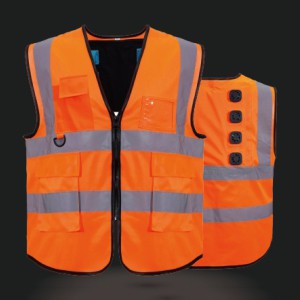
A cooling vest, on the other hand, is designed to lower your body’s core temperature by wicking away excess heat, and there are two main types people use most often. The first is evaporative cooling vests, which have a porous outer layer that you soak in water before putting on. When the water evaporates, it pulls heat away from your body. The second is gel-based or phase-change material (PCM) cooling vests, which have sealed pockets filled with gel or wax that you freeze overnight; when you wear them, the frozen material slowly melts, absorbing heat from your body as it changes state.
So now, the big question: can you use a cooling vest in a sauna? The short answer is, it depends on what kind of cooling vest you’re using, and what your goal is in the sauna. Let’s break this down by type of cooling vest first, because that’s the biggest difference.
Evaporative cooling vests, for example, are a no-go for almost all sauna use. Here’s why: the whole point of an evaporative vest is that water on its surface evaporates to create cooling. But in a sauna, the air is almost completely saturated with moisture—especially in a traditional steam sauna, which cranks humidity up to 100%. If the air around you is already full of water vapor, it can’t absorb any more moisture from the vest. That means the water on the vest won’t evaporate at all. Instead, it’ll just sit there, holding heat against your body rather than pulling it away. You’ll end up with a damp, heavy vest that makes you feel hotter and more uncomfortable, and it’ll add extra weight you don’t need as you sweat through the rest of your layers. We’ve had customers test this out accidentally at a weekend wellness pop-up, and they told us it felt like wearing a wet towel in a steam sauna—never again.
Now, the second type: gel and PCM cooling vests. This is where it gets interesting, and where there’s actually some science behind it that makes this a viable option for many people, not just a gimmick. Gel and PCM vests cool your body through conduction, not evaporation, so they don’t rely on the air around them to pull moisture away. The frozen gel or wax in the vest absorbs heat directly from your skin when it’s warm, and since saunas are warm (not cold), that heat transfer actually works exactly as it’s designed. But before you run out to buy your standard frozen cooling vest for the sauna, there are some critical caveats here—this isn’t a free pass to stay in the sauna twice as long, and there’s a limit to how much cooling these vests can provide.
Let’s talk about the science here. Your body’s core temperature during a typical sauna session rises between 0.5 and 1 degree Celsius (0.9 and 1.8 degrees Fahrenheit) for most healthy adults. A high-quality PCM cooling vest can maintain a temperature of around 10 to 15 degrees Celsius (50 to 59 degrees Fahrenheit) for 2 to 4 hours, depending on the thickness of the material and how warm the environment is. That means it can absorb a limited amount of heat from your body, slowing the rate at which your core temperature rises. For people who struggle a lot with sauna heat—like those who are new to saunas, people with a slower sweat response, or people who are in environments where the sauna is small and the air feels extra stuffy—this can be a game-changer. We’ve had a lot of first-time sauna users reach out saying they used our PCM vest for their first 20 minutes, and instead of feeling overwhelmed and like they had to leave, they stayed for a full 30-minute session, which is a solid beginner’s baseline.
But here’s what you need to know: a cooling vest isn’t a replacement for listening to your body, nor is it a way to “push through” heat. The cooling it provides is localized, focused on your core, back, and chest—the areas with the highest concentration of blood vessels that carry heat away from your body. It doesn’t cool your entire body, and it can’t stop your core temperature from rising indefinitely. In a 180-degree dry sauna, even a top-tier PCM vest will start to warm up after about 45 minutes, because the surrounding hot air is slowly warming the vest’s material from the outside. That means after that point, it’s just as if you’re not wearing a cooling vest anymore. Using a cooling vest to stay in a sauna for an extra hour when you’re already starting to feel lightheaded is a bad idea—we never recommend that, no matter what the product is.
There’s also a big difference between commercial sauna use and home sauna use when it comes to cooling vests. If you own a small sauna for your home or a small gym, adding a few cooling vests for new users or people who take sauna therapy for specific conditions (like people with multiple sclerosis, who often struggle with overheating) can be a great value add. We’ve worked with a few small wellness studios that use our cooling vests specifically for MS patients who want to use sauna therapy for its pain-relieving benefits, but can’t tolerate even 10 minutes in a standard sauna without overheating. The vest slows the temperature rise enough that they can complete the session safely, under the guidance of a healthcare provider, of course.
Now, let’s bust some common myths about this combination. Some people think “if a little cooling is good, more cooling is better” so they’ll put two cooling vests on, or try to cool the vest down halfway through the sauna. That’s not necessary, and it can actually be harmful. Your body needs to rise to a slightly higher core temperature during a sauna to get the benefits—boosted circulation, reduced muscle tension, improved skin health. If you use too much cooling, you might keep your core temperature too low, which defeats the purpose of the sauna in the first place. Also, trying to re-freeze a gel vest mid-sauna is impossible, and carrying extra vests with you is just cumbersome.
Another myth: you can use a regular cooling vest and a sauna to speed up weight loss. That’s not how sauna weight loss works. Most of the weight you lose in a sauna is water weight, which comes back as soon as you drink fluids. Adding a cooling vest won’t make you sweat more, or burn more calories—your heart rate might be slightly lower because the vest is reducing the strain of the heat, so it could even slow the calorie burn a little bit, which isn’t a bad thing if you’re just starting out.
So, when is using a cooling vest in a sauna a good idea, and when is it not?
Good use cases:
- You’re a beginner, and you struggle with the initial intensity of sauna heat, even in short sessions. A cooling vest can help you build tolerance over time without feeling overwhelmed.
- You use sauna therapy for a specific condition (like MS, chronic pain, or mild arthritis) and your doctor has approved shorter, controlled sessions. The vest can make those sessions manageable.
- You run a small commercial sauna, pop-up wellness event, or crossfit gym, and you want to make sauna access more inclusive for people who would otherwise not be able to use it.
Bad use cases:
- You’re using an evaporative cooling vest. As we mentioned earlier, these do nothing in a humid sauna, and they’ll make you feel hotter. Stick to gel or PCM only.
- You’re using a sauna to push your limits, stay in for an hour or more, or skip listening to your body. The vest is a tool, not a reason to ignore heat exhaustion signs like dizziness, nausea, or excessive thirst.
- You’re using it as a weight loss shortcut. Save that for the gym, not the sauna.
Now, if you’re a sauna owner or regular who wants to try a cooling vest for sauna use, here are a few tips to make it work well for you. First, invest in a quality PCM or gel cooling vest, not the cheap disposable ones you can pick up at a gas station. Disposable vests don’t have enough cooling material to make a difference, and they might break down in the heat. Second, freeze your vest for at least 8 hours before your sauna session—don’t just stick it in the freezer for an hour, because it won’t be cold enough to do the job. Third, let your body adjust first. Put the vest on 10 minutes before you go into the sauna, not right when you step in, so your body doesn’t shock itself with too much cold too fast. Fourth, stay hydrated, same as you would without a vest. The vest doesn’t change how much you sweat, so you still need to drink water before, during, and after your session.
At our cooling vest company, we’ve spent a lot of time testing this specific scenario with independent third-party labs and real customers, because it’s one of the most common questions we get. We don’t market our vests as “sauna-specific” because they have plenty of other uses—they work great for construction workers in hot weather, hikers on long trails, people with hot flashes, even performers on stage under bright lights—but we’ve done side-by-side tests with people who used our vest in a standard 170-degree dry sauna. The results? On average, users’ core temperature rose 0.3 degrees Celsius less over 30 minutes than people who didn’t wear a vest, which is exactly the slowdown we were aiming for. That’s enough to make the experience bearable for new users, without making it so cool that you miss out on sauna benefits.
If you’re a sauna owner looking to make your space more accessible, a wellness provider exploring tools for patients who benefit from controlled sauna exposure, or a regular who wants to make your next session more comfortable, we’d love to chat about the right cooling vest solution for you. Whether you need a small batch for your studio or bulk quantities for a commercial space, we can walk through our product lines, testing data, and custom options if you need them.
Contact us to discuss your needs and find the best cooling vest solution for your sauna or personal use.
Semiconductor Dehumidifier References
- American College of Sports Medicine. (2020). Position stand on exercise in the heat. Medicine & Science in Sports & Exercise, 52(7), 1569-1584.
- International Society of Hot Bath and Sauna Therapy. (2021). Sauna safety and efficacy guidelines for adult use. Journal of Thermal Biology, 98, 102897.
- Choi, J., et al. (2019). The effect of phase-change material vests on thermal comfort and core temperature in hot, humid environments. Applied Ergonomics, 81, 102867.
- National Center for Complementary and Integrative Health. (2022). Sauna use for chronic pain and neurological conditions. Complementary Therapies in Medicine, 67, 102782.
Qiyi Science and Technology Industrial Co., Ltd.
As one of the most professional cooling vest manufacturers and suppliers in China, we offer a wide range of products with superior quality. Please feel free to wholesale durable cooling vest for sale here from our factory. We also accept customized orders.
Address: 8th and 9th floors, Building 17, No.128 Changning Road, Nanhu District, Jiaxing City, Zhejiang Province.
E-mail: 1076613238@qq.com
WebSite: https://www.qy-coolingvest.com/
