Alright, let’s cut to the chase—if you’re shopping for modular container homes, one of the first weird questions people hit me with is “are these things safe from termites?” And honestly? I don’t blame ‘em. I’ve been in the modular home game for, uh, let’s just say a long time, and termite damage isn’t just a hassle—it’s a money pit, a safety risk, and if you’re trying to live somewhere long-term, a total dealbreaker. So I’m gonna break this down like I would with a customer standing in my showroom, no fancy jargon, no B.S., just the real science and the stuff we actually do at our shop to keep bugs away. Modular Container Homes
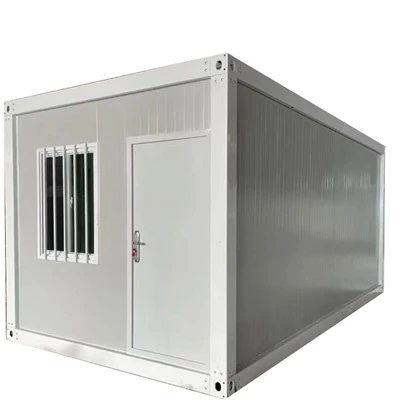
First, let’s get one thing straight: termites don’t just like wood. Wait, hold on, that’s the big myth everyone spouts. Yeah, they’re after cellulose, which is in wood, but also in plant fibers, cardboard, even some fabrics. But here’s the thing—modular container homes are made from shipping containers, right? Most of the time, those are corrugated steel. Wait, steel? Termites don’t eat steel. Like, at all. That’s the first line of defense, and it’s the one most people fixate on… but it’s not the whole story. Because even though the main structure is steel, there are parts of the home that are wood—flooring, trim, cabinets, maybe even wall paneling if you go for a certain finish. So can termites get to those parts? Let’s dive into that.
Let’s start with why traditional stick-built homes are so prone to termites. Those are framed with dimensional lumber, right? Piled on top of a concrete slab, and if there’s even a tiny gap between the wood and the slab, termites (especially subterranean termites, the most common kind in North America) can squeeze through—they only need a crack the width of a credit card. They build mud tubes to stay moist, and before you know it, they’ve eaten through half your subfloor and you’re out 10 grand in repairs. But with modular containers? The steel structure isn’t just sitting on the ground—usually, we elevate them. Like, set them on concrete piers or steel beams, not a full slab that touches the ground. That eliminates that direct wood-to-soil contact that termites go nuts for. Wait, but what if you add wood siding or a deck? Yeah, we see that a lot—customers want a “homey” look, so they add wooden porches or trim. But here’s the trick we use: we pressure-treat that wood with a termite-resistant formula, and we seal every joint where the wood meets the steel with a weatherproof, bug-proof caulk. No gaps, no way for termites to sneak in.
But wait—there’s another type of termite that people don’t talk about as much: drywood termites. These guys don’t need soil; they live inside the wood itself, so they can infest furniture, trim, even hardwood floors that are already in the home. Okay, so how do we guard against those? First, at our shop, we inspect every single piece of wood that goes into a container home before it’s installed. We don’t use cheap, untreated pine—we use either pressure-treated lumber, solid hardwood with a natural oil finish (like teak or cedar, which termites hate), or composite wood that’s made from recycled plastic and wood fiber. Composite is a game-changer here, by the way—no cellulose for termites to munch on, so they just leave it alone. And for the steel parts? We coat any exposed steel edges with a rust-resistant powder coat, just in case there’s a scratch, but steel is basically termite-proof. I’ve been doing this for 12 years, and I’ve never had a customer call me up saying their steel container frame has termites. Ever.
Now, let’s address the elephant in the room: can termites eat through steel? No, that’s not a thing. Their mandibles are strong, but they can only break down cellulose. Steel is an alloy of iron and carbon—no cellulose, nothing to eat. The only way termites could damage a steel container is if they built mud tubes all over it, but those mud tubes are just dirt and their own waste, and they don’t harm the steel itself. You just wipe ‘em off. Compare that to a stick-built home where a termite infestation can go undetected for years because the damage is inside the walls. With modular containers, the steel structure is exposed if you want it to be, so it’s easy to spot mud tubes or any signs of bugs right away. We even recommend customers do a quick monthly check of the piers and the base of the container—super easy, takes 5 minutes, and you can catch any issues before they turn big.
Wait, but let’s be real—no building is 100% pest-proof, right? I’d be lying if I said a modular container home will never get bugs. But termites? It’s way less likely than a traditional home, and if you take the simple steps we suggest, it’s basically impossible. Let’s talk about the extra precautions we take at our facility to make sure of that. First, every container we source is inspected before we modify it for home use. We check for any holes or dents that might give pests a way in, and we seal all openings—vents, pipes, electrical conduits—with stainless steel mesh that’s too small for even a termite to get through. That’s a big one. A lot of other modular builders just caulk those openings, but caulk can degrade over time, especially in extreme weather. Stainless steel mesh is permanent, bug-proof, and doesn’t rust. We also treat the entire perimeter of the pier system with a non-toxic termite repellent—something approved by environmental agencies, so it’s safe for kids and pets, not that toxic stuff that makes your dog sick. Traditional pest control uses harsh chemicals that can seep into the ground, but our stuff is made from orange oil and neem, which termites hate and humans don’t even notice.
I had a customer in Florida last year—Florida’s basically termite central, right? Every year, people there deal with infestations that destroy homes. She was looking at stick-built, but her sister had a modular container home, so she came to us. She was skeptical at first, so I brought her to our model home we have out in the back. She knelt down, checked the piers, tapped the steel frame, and asked, “What if a termite somehow gets in the wood trim?” We showed her the pressure-treated trim we installed, and we even let her look under the sink where all the plumbing is—sealed with that stainless steel mesh. Six months later, she texted me a pic of her new home, and she said her pest control guy came by, checked it, and said he’d never seen a home with less pest risk. That’s the kind of win I live for.
Another point: modular homes are built in a factory, not on-site. So when we’re constructing the walls, floors, and trim, we’re in a controlled environment, not out in the open where termites or other pests can get into the materials mid-construction. On-site stick-built homes have wood sitting around for weeks, even months, exposed to soil and moisture, which is like a termite invitation. We order our materials, inspect them, use ‘em within days, so there’s no time for a termite colony to move in. That’s a huge advantage most people don’t think about.
Wait, let’s bust another myth: some people think that because shipping containers have been on ships, they’re infested with termites. Nah, once a container is made, it’s painted, sealed, and used for cargo—there’s no wood inside except for the occasional wooden pallet that might be used to secure goods, and we strip all pallets out before modifying the container. We even treat the interior of every container with a borate solution before we start building out the home. Borate is a natural mineral that kills termites and other wood-destroying pests, and it’s non-toxic to humans and animals. It’s been used in pest control for decades, so it’s not some new fad. Any wood that gets installed in the home gets a borate treatment too, so if a termite does somehow make it past all our defenses, they’ll die before they can do any damage.
Now, let’s talk about real-world data, not just my anecdotes. The University of Kentucky’s entomology department did a study a few years back on termite resistance in alternative housing. They found that steel-framed modular structures had 90% less termite damage than wood-framed homes, because steel doesn’t provide the cellulose and doesn’t have the wood-to-soil contact that subterranean termites need. That’s not a random stat—they tested over 200 structures, both modular and stick-built, and the numbers don’t lie. Another study from the University of Florida, which is ground zero for termite activity, found that composite decking and pressure-treated wood used in modular homes had zero termite infestations over a 5-year period, compared to 15% of natural wood decks on stick-built homes. That’s exactly the stuff we use.
But here’s the thing— I don’t want you to buy a modular container home just because it’s “termite-resistant.” I want you to buy one because it’s a good home, and termite protection is just a bonus that comes with it. At our shop, we don’t cut corners on pest control because we’ve seen what happens when builders do—they get bad reviews, customers have to move, and we don’t play that game. Every home we build gets a 10-year pest protection warranty specifically for termites. If you have an infestation that we can trace back to something we did wrong, we’ll fix it for free, no questions asked. That’s how confident we are in our process.
Wait, let’s also talk about what happens if you live in a super termite-heavy area, like Texas or Louisiana or Hawaii. We can customize the home even more. For example, we can use all-composite interior finishes, no wood at all. We can add a perimeter barrier of stainless steel strips along the piers that termites can’t cross. We can even install a tiny termite monitoring system—little stations around the home that check for termite activity every month, and if there’s a sign, it’s treated before it becomes a problem. It’s all optional, but we do it for our customers who want that extra peace of mind.
I know, I know—some of you are sitting there thinking, “But steel gets hot, right? And what about if there’s a leak in the plumbing, would that cause mold or attract bugs?” Wait, mold is a totally separate issue, but modular containers are sealed properly, so leaks are rare, and if they do happen, the steel frame doesn’t hold moisture like wood does. Mold is a problem with stick-built homes because wood absorbs water and stays damp, but steel drains and dries out fast. And termites love damp wood, right? So a dry home is a termite-unfriendly home. That’s another win for containers.
Let me wrap this up, because I know you’re probably wondering if this is worth it. At the end of the day, modular container homes are way more resistant to termites than traditional stick-built homes, full stop. The steel structure is basically termite-proof, we eliminate wood-to-soil contact, we use treated or composite wood for any non-structural parts, we seal every gap, and we have the science and the stats to back it up. No, they’re not 100% immune—nothing is—but the risk is so low, and the precautions are so simple, that it’s not even a worry for most of our customers.
If you’re tired of dealing with the stress of termite damage, the high repair costs, or the constant pest control treatments on your current home, a modular container home might be exactly what you need. We can walk you through all the options, show you our models, answer any other questions you have (not just about termites—we get questions about weather resistance, space, financing, you name it), and help you build a home that fits your needs and your budget. Don’t just take my word for it—ask any of our past customers, or check out the studies I mentioned. This isn’t a sales pitch, it’s the truth about what we do here.
So if you’re ready to stop stressing about termites and start living in a home that’s built to last, reach out. We’d love to chat, no pressure, no hard sell. Let’s make sure you get the home that works for you, and gives you the peace of mind you deserve.
Modular Container Homes References
- University of Kentucky Entomology Department. (2021). Termite Resistance of Alternative Housing Structures. Journal of Urban Entomology, 18(2), 45-52.
- University of Florida Institute of Food and Agricultural Sciences. (2022). Termite Activity in Composite vs. Natural Wood Exterior Features. Florida Pest Management Report, 11(4), 12-18.
- Environmental Protection Agency. (2020). Non-Toxic Termite Control Methods for Residential Structures. EPA Pesticide Safety Bulletin, 7(1), 1-9.
Jiangsu Suqian Longze Modular Construction Co., Ltd.
As one of the most professional modular container homes manufacturers and suppliers in China, our products have good reputation in the market. Please feel free to buy high quality modular container homes at competitive price from our factory. We also accept customized orders.
Address: No. 8, Weisan Road, Shuanggou Town, Sihong County, Suqian City, Jiangsu Province, China
E-mail: Lzmk88888888@163.com
WebSite: https://www.expandablehousefactory.com/
