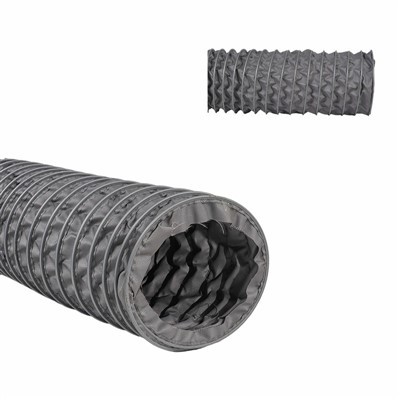
Polyester insulated air ducts have gained significant popularity in various HVAC systems due to their excellent thermal insulation properties, lightweight nature, and cost – effectiveness. However, when it comes to underground installations, the question arises: Are polyester insulated air ducts suitable for such environments? As a supplier of polyester insulated air ducts, I will delve into the advantages and challenges of using these ducts underground, providing a comprehensive analysis to help you make an informed decision. Polyester Insulated Air Duct
Advantages of Polyester Insulated Air Ducts for Underground Installations
Thermal Insulation
One of the primary advantages of polyester insulated air ducts is their superior thermal insulation capabilities. Underground environments often have stable temperatures, but there can still be heat transfer between the duct and the surrounding soil. Polyester insulation helps to minimize this heat transfer, ensuring that the air inside the duct maintains its desired temperature. This is particularly important in applications such as underground data centers, where precise temperature control is essential for the proper functioning of equipment. By reducing heat gain or loss, polyester insulated air ducts can increase the energy efficiency of the HVAC system, leading to lower energy consumption and cost savings in the long run.
Lightweight and Easy to Install
Polyester insulated air ducts are lightweight compared to traditional metal ducts. This makes them much easier to handle and install, especially in underground settings where access may be limited. The reduced weight also means less structural support is required, which can simplify the installation process and reduce overall costs. Additionally, the flexibility of polyester insulated air ducts allows for easier routing around obstacles and through tight spaces typically found underground. This adaptability can save both time and labor during installation, making it a practical choice for contractors working on underground projects.
Corrosion Resistance
Polyester is resistant to corrosion, which is a significant advantage in underground installations. The soil can contain various chemicals, moisture, and other corrosive substances that can damage traditional metal air ducts over time. In contrast, polyester insulated air ducts can withstand exposure to these elements without corroding, ensuring a longer lifespan. This durability reduces the need for frequent duct replacements and maintenance, making it a cost – effective solution for long – term underground use.
Sound Insulation
Underground environments can be noisy due to factors such as machinery, water flow, and traffic vibrations. Polyester insulated air ducts can help to dampen sound, reducing noise transmission within the duct system. This is beneficial for applications where noise reduction is important, such as underground hospitals or residential complexes. By minimizing noise, polyester insulated air ducts can create a more comfortable and quieter environment for occupants.
Challenges of Polyester Insulated Air Ducts for Underground Installations
Moisture Management
One of the main challenges of using polyester insulated air ducts underground is moisture management. Underground environments are typically more humid, and the soil can retain moisture. If moisture penetrates the insulation, it can reduce the insulation’s effectiveness, leading to increased heat transfer and potentially mold growth. To address this issue, proper moisture barriers need to be installed around the ducts. Additionally, the ducts should be sealed properly to prevent moisture ingress. Regular inspections should also be carried out to detect and address any moisture-related problems early.
Soil Compaction and Physical Damage
Underground, the ducts are subject to soil compaction and potential physical damage from excavation equipment or root growth. Polyester insulated air ducts are not as rigid as metal ducts, and they may be more vulnerable to damage under these conditions. To mitigate this risk, the ducts need to be installed in a protected manner. This may involve using trench boxes or other forms of structural support during installation. Additionally, the area around the ducts should be carefully backfilled with suitable materials to prevent excessive soil compaction.
Fire Resistance
Although polyester insulation can be treated to improve its fire resistance, the underground environment requires a high level of fire safety. In case of a fire, the air ducts can act as a conduit for flames and smoke, spreading the fire throughout the underground space. It is crucial to ensure that the polyester insulated air ducts meet the relevant fire – safety standards for underground installations. This may involve using fire – rated insulation materials and installing fire dampers at appropriate intervals.
Considerations for Successful Underground Installation
Site Assessment
Before installing polyester insulated air ducts underground, a thorough site assessment should be conducted. This includes evaluating the soil conditions, moisture levels, potential sources of physical damage, and fire – safety requirements. Based on the site assessment, appropriate measures can be taken to ensure the successful installation and long – term performance of the ducts.
Design and Specification
The design and specification of the polyester insulated air ducts should be tailored to the specific requirements of the underground installation. This includes selecting the appropriate insulation thickness, moisture barriers, and fire – rated materials. The duct layout should also be carefully planned to minimize potential points of damage and ensure efficient airflow.
Installation Process
The installation process of polyester insulated air ducts underground should follow industry best practices. This includes proper handling of the ducts to prevent damage, ensuring a tight seal between duct sections, and installing any necessary support structures. The installation team should be properly trained and experienced in working with polyester insulated air ducts in underground environments.
Conclusion
In conclusion, polyester insulated air ducts can be suitable for underground installations, provided that the associated challenges are properly addressed. Their advantages in terms of thermal insulation, lightweight nature, corrosion resistance, and sound insulation make them an attractive option for many underground HVAC applications. However, careful consideration must be given to moisture management, physical protection, and fire safety.
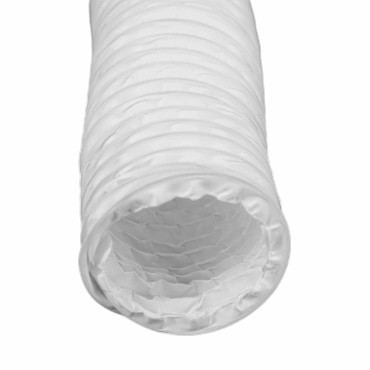
As a supplier of polyester insulated air ducts, I am committed to providing high – quality products and technical support to ensure the success of your underground installation projects. If you are considering using polyester insulated air ducts for your underground application, I encourage you to contact me to discuss your specific requirements. Our team of experts can help you design and select the most suitable ducts for your project, ensuring optimal performance and cost – effectiveness.
PVC Air Duct References
- ASHRAE Handbook – HVAC Systems and Equipment. American Society of Heating, Refrigerating and Air – Conditioning Engineers.
- National Fire Protection Association (NFPA) standards related to HVAC systems in underground spaces.
- Building codes and standards for underground construction and ductwork.
Dongyang Hstube Co., Ltd.
As one of the leading polyester insulated air duct manufacturers and suppliers in China, we warmly welcome you to wholesale cheap polyester insulated air duct for sale here from our factory. If you have any enquiry about free sample, please feel free to email us. Quality products and reasonable price are available.
Address: NO.5 CHENGDONG ECOLOGICAL INDUSTRIAL ZONE, DONGYANG, ZHEJIANG, CHINA.
E-mail: sales@hstube.com
WebSite: https://www.ductword.com/
