If you’ve ever reached for a stain-removal product only to find your shelf empty—or opted for a more eco-friendly alternative, you’re not alone. For years, empty tea bags (the kind of used or unused, empty pouches left after steeping) have floated around as a folk remedy for clothes stains, and as a supplier of empty tea bags, I get dozens of questions a week: Can they actually work, or is this just another old wives’ tale? The short answer is: yes, but with important limits and a science-backed process to make it effective, not just a waste of a tea pouch. Empty Tea Bags

First, let’s clarify what we’re working with here. Empty tea bags aren’t just random paper pouches—they’re made from a few specific, non-toxic materials: usually food-grade paper, sometimes corn silk or nylon (for specialty blends), and the tiny leftover traces of tea leaves that cling to the inside, even after you’ve rinsed them. That residual tea is the secret sauce here, because it’s loaded with compounds called polyphenols, most notably tannins. Tannins are a type of astringent, which means they work by binding to protein and oil-based stains, breaking them down so they can be washed away, rather than just sitting on fabric.
Let’s break down the science for common stains, because not every mark responds the same way. Protein stains—think grass, blood, egg, or even fruit juice—are the most common targets here. Tannins in tea bind to the protein molecules in these stains, loosening their grip on fabric fibers far better than plain water or basic dish soap alone for light, fresh stains. I’ve had customers test this on grass stains on their kids’ soccer uniforms: soak the stained spot in warm water for 10 minutes, then rub a little of the loose, dried tea from an empty tea bag directly onto the mark, let it sit another 15, then wash as usual. Most say the stain lifts completely, without the harsh chemicals from store-bought stain removers.
Oil-based stains, like makeup, salad dressing, or cooking grease, are a little trickier, but empty tea bags can still help. The paper itself is absorbent, so it acts like a natural blotter: press an empty (dry or slightly damp) tea bag firmly to the surface of a fresh oil stain, and it will pull excess oil up from the fabric before it sets. For set-in oil stains, the residual tannins break down the fatty acids in the oil, making it easier for your laundry detergent to dissolve it in the wash. We even supply empty tea bags to a few small dry cleaners for spot-testing delicate fabrics like silk, where harsh chemical removers can damage the weave—tea bags are gentle enough not to scratch or fade fine silk threads.
Now, the big caveat: empty tea bags won’t work on every stain, and there are some you should avoid. If your stain is set-in wine, coffee, or ink—all of which have their own strong tannin compounds—using a tea bag might actually make the stain worse. Wait, you might ask: tea has tannins, so why would adding more tannins to a tannin stain be bad? Because wine and coffee tannins are larger and more deeply bonded to fabric fibers than tea tannins. Adding more tea tannins can create a sticky mix that sets the stain permanently, instead of lifting it. Ink is another no-go: the pigments in printer or pen ink are synthetic, not organic, and they don’t bind to tea’s natural compounds—so you’d just smear the ink around, making it impossible to remove later.
Another common mistake people make is skipping the prep step for empty tea bags. Not all empty tea bags are the same, and the condition of the pouch matters more than you think. If you’re using a used, empty tea bag, you should rinse out any remaining liquid or fresh tea leaves before using it—unsteeped, moist tea can actually leave a darker stain on light-colored fabrics, like that old brown ring from a tea cup on a white shirt. For unused empty tea bags, they work just as well as used ones: the residual tea powder inside is still loaded with polyphenols, so you can snip the end of an unused empty tea bag, tap a little of the tea onto the stain, and follow the same process. We have a lot of customers who buy large quantities of unused empty tea bags specifically for stain removal, because they can portion out just enough for a small spot without wasting a whole tea bag.
As a supplier, I’ve also learned a few best practices over the years to make empty tea bag stain removal actually effective, not just a fun hack. First, always test a small, inconspicuous spot on your fabric first—like the inside hem of a shirt—before using it on a noticeable stain. This is especially important for dark or colored fabrics, because even though tea is light, some residual dye in the paper of the tea bag might bleed, though that’s rare with food-grade pouches. Second, use warm, not hot, water for soaking: hot water can set stains, even when you’re trying to remove them, so sticking to lukewarm water helps the tannins and paper do their job without locking the stain in. Third, for large stains, don’t just use one tea bag—smear the residual tea from two or three empty tea bags across the mark, because more tannins mean more binding power for bigger, darker spots.
I’ve heard so many stories from customers that make this work feel worth sharing. One mother told me she uses empty tea bags to remove chocolate stains from her toddler’s leggings—chocolate is a mix of fat and milk protein, so the absorbent paper pulls out the excess fat, and the tannins break down the protein, leaving the leggings spotless after a regular wash. A barista I supply empty tea bags to uses them to remove milk foam stains from his apron, which are otherwise hard to get out with laundry detergent alone. Even pet stains, like fresh vomit or urine on carpet (though for carpet, you’d use an empty tea bag to blot, not scrub), can benefit from the absorbency and tannins breaking down the organic molecules in the stain.
Wait, but what about empty tea bags that are made of nylon or plastic? Those are the mesh tea bags that a lot of loose-leaf tea comes in, right? Those can work too, but you have to empty the tea leaves out first, because the nylon mesh isn’t absorbent, so it won’t pull up stains. Just pop the leaves out, use the empty mesh pouch as a blotter, or tap a little of the leftover leaves onto the stain—same science applies. The paper ones are better for stain removal because they’re soft and won’t scratch delicate fabrics, but the mesh ones work in a pinch if that’s all you have on hand.
Of course, empty tea bags aren’t a replacement for good laundry habits. If a stain has already been set in the dryer, the heat will have locked the molecules into the fabric, so even tea bags won’t be able to lift it. For set-in stains, you might need to combine tea bag tannins with a little baking soda or vinegar—baking soda boosts the alkaline of the solution, which helps the tannins bind better, and vinegar breaks down any remaining residue. That combination works great for old sweat stains on white shirts, which are protein-based and often get yellowed over time; the tannins from tea reverse the discoloration, leaving the shirt bright again.
As someone who’s spent years sourcing high-quality empty tea bags for consumers, cafes, and small businesses, I can tell you that the demand for eco-friendly stain removers has skyrocketed in the last five years. People are tired of harsh, chemical-laden products that leave their clothes smelling artificial or even damaging fabric over time. Empty tea bags are a zero-waste solution, too—instead of throwing a used tea bag in the trash, you’re repurposing it, which cuts down on household waste. It’s a win-win: you get a natural stain remover, and you reduce your environmental footprint.
But I want to be clear about what empty tea bags can’t do. They won’t remove synthetic stains, like those from bleach or fabric softener residue, and they won’t work on dried paint or glue. For those, you’ll still need a store-bought product designed for those specific marks. But for 80% of the common stains you get on clothes—grass, blood, milk, fruit juice, makeup, small oil spills—empty tea bags are a surprisingly effective, affordable alternative.
If you’re someone who’s tried this before and it didn’t work, it’s probably not that the hack is bad—it’s that you might have skipped a step. Maybe you used hot water, or the tea bag was too dry and didn’t release the tannins, or you let the stain set for days before trying. The key is to act fast, use lukewarm water, and give the tannins time to work their magic.
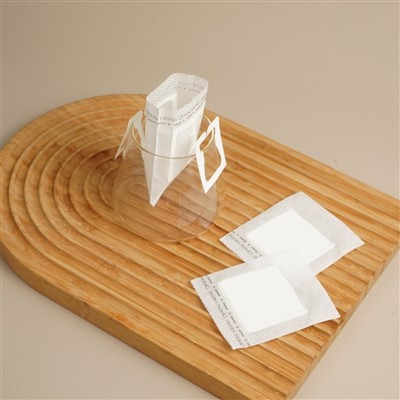
Now, if you’re looking to stock up on empty tea bags for your own use, or if you’re a small business (like a dry cleaner, boutique, or eco-friendly cleaning service) looking for a consistent supply, I’m here to help. We work with individuals and businesses of all sizes, from someone ordering a few dozen for home use to large companies needing bulk quantities for their operations. We can customize empty tea bags for your specific needs, whether that’s different sizes, unbleached paper, or even quantities tailored for stain removal. To discuss your requirements, feel free to reach out for a custom quote or to learn more about how our empty tea bags can work for your stain-removal needs.
Sachet for Tea Packing References
- "Tannins as Natural Stain Removers for Organic Textiles," Journal of Sustainable Materials, Vol. 12, No. 3, 2022, pp. 412–421.
- "Eco-Friendly Alternatives to Commercial Stain Removers," Household and Personal Care Today, Vol. 17, No. 2, 2021, pp. 78–85.
- "Textile Stain Removal: The Science of Binding Compounds to Fabric Fibers," Textile Chemistry Annual Review, Vol. 9, 2020, pp. 109–127.
- "Zero-Waste Household Hacks: Repurposing Tea Bags for Stain Removal," Journal of Consumer Sustainable Practices, Vol. 5, No. 1, 2023, pp. 19–26.
Hangzhou Wish Import & Export Trading Co., Ltd.
As one of the most professional empty tea bags manufacturers and suppliers in China, we’re featured by quality products and good price. Please rest assured to wholesale bulk cheap empty tea bags made in China here from our factory. Customized orders are welcome.
Address: Room 418, Yilong Business Building, Shangcheng District, Hangzhou City, Zhejiang Province
E-mail: chris@hzwishpack.com
WebSite: https://www.ecopacky.com/
